The explosion of the digital economy and the migration of traditional financial values to blockchain protocols have driven an urgent need for secure storage of assets. In the investor community, cold wallets are often hailed as the gold standard of safety, a final solution to combat cyber threats.
However, according to experts at Tan Phat Digital, a thorough analysis shows that the safety of cold wallets is not a static or absolute characteristic. Instead, it is a complex ecosystem of interactions between hardware, software, and human behavior. A true understanding of cold wallet security requires a multidimensional view, delving into the layers of chip architecture, supply chain vulnerabilities, and the evolving realities of cybersecurity operations.
The architectural nature and isolation philosophy of cold wallets
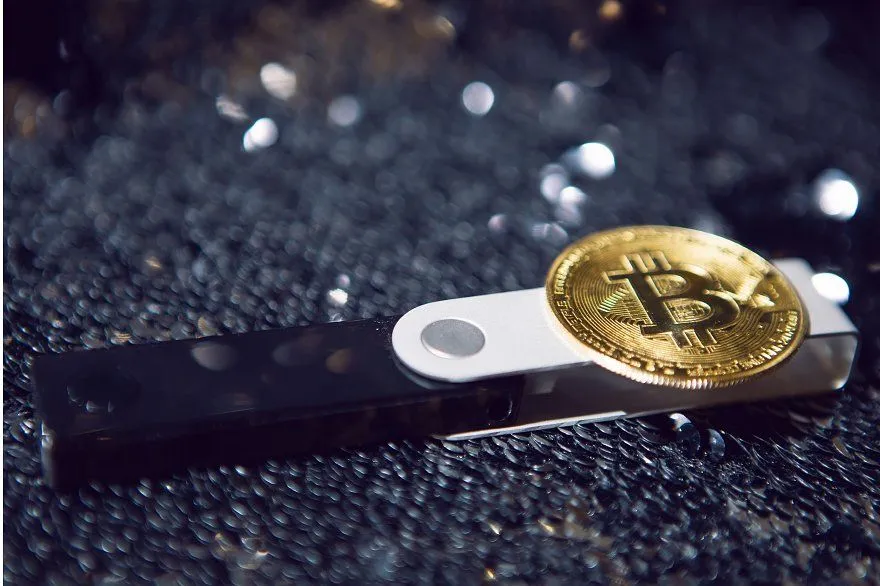
A cold wallet is a completely offline private key storage device, designed to create a physical gap (air-gap) between digital assets and cyber threats. internet. internet. Unlike hot wallets that always maintain connection to serve instant transactions, cold wallets only interact with the network environment for extremely short periods of time when users sign and confirm transactions.
This mechanism ensures that the private key never leaves the device and never comes into contact with malware that may exist on computers or smartphones. However, this isolation also brings operational limitations, requiring users to accept a more cumbersome transaction process.
Detailed comparison between Hot Wallets and Cold Wallets:
Connection status: Hot wallets always maintain an online status (Online); Cold wallets work completely offline.
Private key storage: Hot wallets store directly on the application or browser; Cold wallets are stored on specialized hardware chips.
Possibility of remote hacking: Hot wallets are high risk due to malware and Phishing; Cold wallets are very low risk, almost impossible to hack remotely.
Setup costs:Hot wallets are usually free; Cold wallets cost from 50 USD to more than 250 USD for high-end models.
Transaction speed: Hot wallets execute instantly; Cold wallets are slower because they require a physical connection and manual signing operations.
Target audience: Hot wallets are for users who transact frequently with small balances; Cold wallets are an option for long-term investors, organizations or individuals with large assets.
See more: What is a cold wallet? The ultimate digital asset security solution in 2026
Analysis of chip-level technical vulnerabilities and physical attacks
Even though the private key is isolated, studies from advanced security units have proven that physical barriers can still be penetrated if the attacker has a high level of expertise and direct access to the device. The biggest technical risk lies in the architecture of the microcontroller (MCU) and the presence of the Security Chip (Secure Element - SE).
Voltage glitching attack is a sophisticated technique in which an attacker interferes with the power supply to the chip to trick the microcontroller into skipping security authentication steps, thereby extracting the recovery seed string (seed phrase). To overcome this weakness, modern wallet lines such as Ledger or Trezor Safe 3 and Safe 5 have integrated SE chips with EAL6+ certification. The SE chip acts as a "safe within a safe", responsible for storing private keys and performing cryptographic calculations, effectively preventing glitching attacks even if the device is lost or stolen.
Risks from supply chains and tampered devices
Absolute security is broken if the supply chain is compromised. Supply chain attacks target replacing or modifying equipment during transportation. A shocking incident in early 2025 involved a user in Thailand who lost all $214,000 after purchasing a wallet from a fake store on an e-commerce platform. The device is actually pre-loaded with a seed string that the attacker holds.
Tan Phat Digital recommends that users absolutely not buy cold wallets from unofficial sources such as old markets or unauthorized third-party e-commerce platforms. Reports also point to cases where devices have been disassembled to solder harmful components or replace the original firmware. True safety does not lie in the seal but in the cryptographic authentication process (Genuine Check) inside the security chip when connecting to the manufacturer's official application.
See more: What is a non-custodial wallet? Why own a non-custodial wallet?
The rise of social engineering and impersonation scams
In the AI era, the threat has shifted to psychological vulnerabilities. Impersonation fraud has recorded record growth, especially with support from AI Deepfake technology. Attackers can impersonate CEOs of exchanges or technical support staff to ask users to enter a seed string into a fake website.
Another form of silent attack is address poisoning. The attacker creates fake wallet addresses with the same first and last characters as the victim's usual addresses, then sends spam transactions to trick users into copying this address in the future. Carelessness in not carefully checking each character is the biggest loophole that causes assets to be lost.
Advanced cold wallet security methods
As threats become more diverse, just owning one device is not enough. The "defense in depth" strategy includes:
Passphrase mechanism (25th word): This is a secret word set by the user, not saved on the device. Passphrase helps create a completely independent "hidden wallet". Even if the 24 recovery words are exposed, the assets in the hidden wallet are still safe.
Multisign Wallet (Multisig): Requires consensus from many different private keys (e.g. 2-of-3) to make transactions. These keys can be stored on different devices in separate geographical locations.
Offline recovery chain management: Use specialized fire- and flood-resistant steel or titanium plates to store the 24-word string. Absolutely no digital storage of any kind.
Secure operating strategy from Tan Phat Digital
To maintain the highest security status, users need to follow a strict operating procedure:
Purchase process: Only order directly from the manufacturer. New devices should always display a welcome message and a request to self-seed the new seed.
Trading environment: Use dedicated ("Air-gapped") computers or security-focused operating systems like Tails to anonymize operations.
Digital hygiene: Keep quiet about asset balances. Publicizing assets on social networks will make you a target of physical attacks. Use YubiKey for 2FA to completely replace SMS.
Check periodically: Always check the operating status of the backup device to be ready to access assets if the main device has a problem.
10 Typical Case Studies on cold wallet risks and security
To understand why cold wallets are not absolutely safe, we need to consider the cases Actual period 2024-2025:
Bybit super hack (February 2025): This is the largest cryptocurrency theft in history with 1.5 billion USD worth of ETH stolen. An attacker (believed to be Lazarus Group) has infiltrated the interface (UI) of the multi-signature wallet Safe {Wallet}. When Bybit's cold wallet operators approved the transaction, the malware silently changed the receiving address on the interface. The employees trusted the computer screen and signed the confirmation on the cold wallet, unintentionally transferring all control of the wallet to the hacker.
Ledger scam on Lazada (January 2025): A user in Thailand lost 214,000 USD by buying a Ledger Nano X wallet from a fake store named "Ledger Thailand". The device has been tampered with to pre-install 24 recovery words. The victim used an existing phrase instead of creating a new one, leading to the hacker withdrawing all the money as soon as there was a large balance.
Kidnapping of Ledger founder (January 2025): David Balland, co-founder of Ledger, and his wife were kidnapped in France. The attackers used physical violence (cutting one of his fingers) to force the disclosure of the private key. This is the clearest proof that "no encryption layer can withstand a 5 USD wrench".
Kaspersky's modified wallet report: A victim lost 1.33 BTC (~30,000 USD at the time) even though the cold wallet was not connected to the internet on the day of the loss. Kaspersky discovered that the wallet had been removed, replacing the firmware and microcontroller with one containing 20 pre-installed seed phrases, allowing attackers to remotely access it at any time.
Torture case in Vancouver (2024): A group of criminals broke into a couple's home and used brutal torture to force them to transfer 1.5 million USD worth of Bitcoin from their personal wallet. The incident highlights the importance of keeping cryptocurrency ownership identities secret.
Trezor-crypto library vulnerability (Early 2024): A flaw in the integration of Trezor's cryptographic library into the Trust Wallet application resulted in the generation of seed chains with low randomness (low entropy). This makes private keys easy to crack using brute-force attacks.
Bitcoin DMM incident (May 2024): This Japanese exchange lost 305 million USD in Bitcoin value due to a vulnerability in the key management infrastructure. Even using hardware security measures, hackers still found ways to illegally withdraw money through weaknesses in the approval process.
Upbit hack (November 2025): Hacker Lazarus Group carried out a sophisticated attack targeting Upbit exchange, stealing 30 million USD. The money is then laundered through thousands of cross-chain transactions and mixers to erase the traces.
WazirX hack (July 2024): India's largest exchange had $230 million withdrawn from a multisig wallet used for transactions. Despite the hardware security layer, the combination of malicious code and administrative errors allowed hackers to overcome the multi-signature barrier.
James Howells and the 8,000 BTC hard drive: One of the most famous "case studies" on physical risks. James accidentally threw the hard drive containing his private key into the landfill in 2013. As of 2025, he is still fighting legally to be allowed to exploit the landfill to recover his homemade "cold wallet".
Frequently Asked Questions (FAQ)
Are cold wallets really absolutely secure? No system is invulnerable. While cold wallets are very resistant to cyber attacks, they can still be compromised by sophisticated physical attacks or if users are tricked into revealing the recovery chain through social engineering.
If I lose my cold wallet device, are my funds lost? No, your funds are on the blockchain, not in the device. You can use the 24-word seed to restore all assets to a new cold wallet device.
Should I save the 24-word recovery on Google Drive or phone notes? Absolutely not. Any form of digital storage is at risk of being hacked. You should only store it offline on paper or specialized steel plates.
What is Passphrase (25th word) and how does it help? This is an optional additional layer of security. It creates a completely different "hidden wallet". If someone gets your 24 words, they still can't see the money in the hidden wallet without this passphrase.
How do I know if my Ledger/Trezor wallet is genuine? When first setting up, use the "Genuine Check" feature in the Ledger Live app or authenticate via Trezor Suite. Genuine devices must always be in a completely new state and require you to create your own PIN code and seed string.
Can computer viruses penetrate cold wallets? Cold wallets are designed with specialized security chips and isolated operating systems (like BOLOS). Computer viruses can attack computer applications but cannot penetrate inside the chip to steal private keys.
Tại sao không nên mua ví lạnh từ các sàn TMĐT như Lazada hay Shopee? Các sàn này thường có các bên thứ ba bán hàng không được ủy quyền. Nguy cơ lớn nhất là thiết bị đã bị tráo đổi linh kiện hoặc cài sẵn mã độc/chuỗi hạt giống giả để rút tiền của người mua.
What is an "Address Poisoning" attack? An attacker sends zero value transactions from an address that is very similar to an address you frequently use in your wallet history. If you carelessly copy this address for your next transaction, the money will be sent directly to the fraudster's wallet.
Can current cold wallets withstand quantum computers? Currently only the latest models such as Trezor Safe 7 or Ledger Nano Gen5 are designed to support quantum-resistant cryptographic algorithms through future firmware updates.
Should a hot wallet or a cold wallet be used for beginners? The optimal choice is to use both: hot wallet for small balances for convenient daily transactions, and cold wallets (as advised by Tan Phat Digital) to store most long-term assets.
Entering 2026, the cold wallet industry is witnessing great strides to confront new threats. Trezor đã ra mắt dòng Trezor Safe 7, được tuyên bố là ví lạnh đầu tiên sẵn sàng cho kỷ nguyên điện toán lượng tử (quantum-ready), tích hợp kiến trúc có thể verify các bản cập nhật firmware kháng lượng tử trong tương lai. Tương tự, Ledger Nano Gen5 đã được giới thiệu với chip bảo mật CC EAL6+ tiên tiến, tích hợp các tính năng như quét mã độc giao dịch (Transaction Check) và Clear Signing để đảm bảo người dùng luôn thấy đúng những gì họ đang ký.
Ví lạnh không an toàn tuyệt đối 100%, nhưng là công cụ an toàn nhất nếu được sử dụng đúng cách. Tại Tấn Phát Digital, chúng tôi tin rằng sự kết hợp giữa kiến thức kỹ thuật vững chắc và kỷ luật vận hành cá nhân chính là chìa khóa để bảo vệ thành quả tài chính của bạn trong kỷ nguyên kinh tế số đầy biến động.
Share


