Storytelling is more than “good storytelling” — it is a system: strategy, structure, delivery and measurement. This article will not just list tips, but delve into professional thinking, implementation processes, ready-to-use templates, and how to evaluate effectiveness. At the end of the article there is a short checklist for you to quickly apply.
Why is storytelling important strategically?
Emotional connection → increase recognition: Emotions are the deciding factor in brand recall.
Make information easy to absorb: People remember stories more than dry numbers.
Increase conversions change: Good stories reduce trust barriers, promote action.
Create in-depth & sustainable content: Storytelling content is easy to share and reuse.
Thinking framework: Story = Strategy + Structure + Signal
Strategy: Campaign goal (awareness / consideration / conversion).
Structure: Storytelling structure (Freytag, Hero’s Journey, AIDA/PAS) for each goal.
Signal: Optimal signs for the platform (thumbnail, 8s intro for videos, 1st paragraph for blogs, schema for rich snippets).
16 Tips (grouping) according to expertise)
Group A — Strategic core (Tips 1–4)
Determine goals by funnel
Awareness: tell “brand vision/value” (short video, reels).
Consideration: case study, comparison, testimonial (long-form).
Conversion: demo + social proof + clear CTA.
Tip: Avoid bundling goals; Each asset only focuses on one main goal.
Identifying characters & insights (persona-driven storytelling)
Write personas including desires, pain, language used, channels or approaches.
Make characters "represent" customers instead of abstract characters.
Choose suitable structure (Freytag / Hero / PAS / AIDA)
For example: in-depth blog post using Freytag; Sales landing page uses AIDA/PAS.
“center-piece” tag for SEO & UX
On sales page: short introduction (2–3 sentences) stating the value immediately, followed by proof, price and CTA.
This helps Google and readers immediately understand the Search Intent.
Group B — Morning creating content (Tips 5–9)
Creative introduction (hook) in 8–12 seconds or first 1–2 lines
Video: The first 8 seconds must answer “why should I watch”.
Article: 1st paragraph answers the intent; Insert data or curious questions.
Create a circuit by "tying knots - untying knots"
Not only telling facts - raising problems (pain) → revealing consequences → giving solutions (brand / product).
Using evidence (data / social proof / case)
Extract data, testimonials, actual KPIs; Include links/sources if necessary to increase credibility.
Diversify formats — repurpose
1 long case study → 3 LinkedIn posts, 5 IG stories, 1 60s video. Optimize each channel.
Keep rhythm and reading structure (scanability)
Heading, bullet, bold sentences to remember, infographics. Skim readers — help them still “get” the message.
Group C — Distribution & amplification (Tips 10–12)
Choose the right channel persona
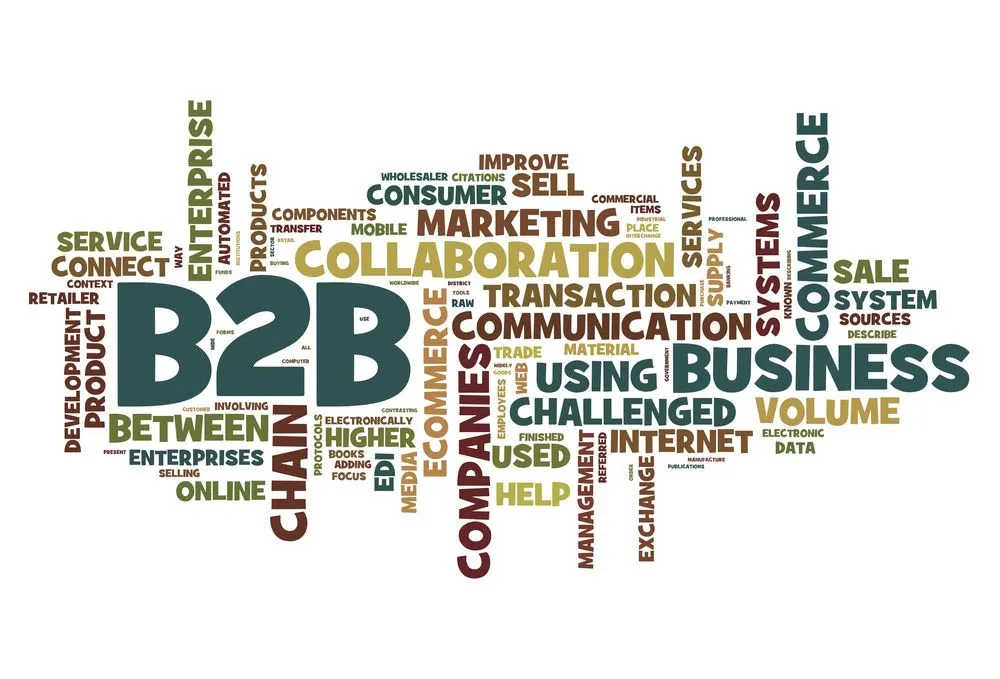
B2B: LinkedIn, newsletter, whitepaper.
B2C youth: TikTok, Reels.
F&B / Local: Google Business, Facebook.
5–10% strategic content for effective testing. Choose KPIs: view-through, clicks to landing, micro-conversions.
Group D — Measure & optimize (Tips 13–16)
KPIs specific to storytelling
Awareness: impressions, reach, view rate.
Engagement: time on page, scroll depth, shares, comments.
Conversion: micro-conversion (form submit), conversion rate.
Brand lift: brand search volume, sentiment.
A/B test headline + hook + CTA
Test 2 headlines on landing page, measure CTR & conversion; change 1 variable at a time.
Detect sentiment & qualitative feedback
Use social listening, comment analysis to understand true emotions — adjust tone accordingly.
Iterate & refactor — content as product
Review performance after 30/90 days; refresh data, add new cases, change new thumbnails/videos.
Practical frameworks for application — templates
Template blog storytelling (convert-ready)
Title (H1): Promise + Benefit (<= 60 characters).
Lead (150–250 words): Hook + Summary of benefits benefits.
Problem (H2): Pain & facts.
Journey/Case (H2): Experience, steps, data.
Solution (H2): Product/service + proof.
CTA (H2): Offer + form / phone / UTM link.
FAQ + schema.
Template video 60–90s
0–8s: Hook (problem / shocking data).
8–30s: Solution & short illustration.
30–60s: Social proof + CTA (link in bio).
Examples applied by industry (short)
SaaS B2B: case study “customer + 1-click buy.
Measuring ROI storytelling — simple formula
Traffic uplift (%) = (organic traffic after campaign − before) / before ×100
Engagement value = time on page × conversion rate × average order value
Brand proxy = increase in brand searches + sentiment score
You can build dashboard GA4 + Google Search Console + Social Insights to track.
Common mistakes & how to avoid
Rambling stories, unclear goals → before writing, write down a goal sentence.
Overpromising / claim without facts → always have proof.
Not measuring → setting KPI before publishing.
Not optimizing distribution channels → same content, different persuasion for each platform.
Applicable to agencies: branding stories (Case Tan Phat Digital)
When Tan Phat Digital deploys storytelling for customers, they Usually:
Define personas & goals (3 workshops).
2-week pilot run: 1 pillar post + 3 repurposed assets.
Measure & scale: only increase budget if micro-KPI (time on page, form) exceeds target.
You can use this model as an internal testing framework.
Short checklist (apply immediately)
☐ Clear content goal (Awareness/Consideration/Conversion)
☐ Persona & insight defined
☐ Standard 8s / 1st paragraph hook
☐ Appropriate article structure (Freytag/AIDA)
☐ Proof: sourced data/testimonial/case
☐ Clear CTA + UTM tracking
☐ Plan repurpose + paid boost (if needed)
☐ KPI & dashboard GA4/Console for measurement
Professional Storytelling is a combination of strategy, structure, delivery techniques and measurement. If you want your story to truly convert, don't just worry about "telling it well" — design it for a specific goal, back it up with facts, and measure it continuously. If you need a partner to accompany you from strategy to execution — from persona workshops to KPI measurement — Tan Phat Digital can support you in building and operating systematic storytelling, optimal for both brand and revenue.
Share