The rise of AI-integrated search engines like Google Gemini, ChatGPT, Claude and Perplexity have changed the SEO game dramatically. Now, appearing in search results is not simply about being in the top 10, but also about being selected and cited directly by AI in their aggregated answers. Search Engine Land, one of the most reputable sources of SEO information, conducted an in-depth study, analyzing over 8,000 citations from AI tools to find common formulas. The goal is to help content experts and publishers understand how AI selects, thereby optimizing content strategies to increase visibility.
The findings from this study point to one truth: AI prioritizes content that is clearly structured, trustworthy, and accurately meets user search intent. Here are the three most important findings.
Key Findings From Search Engine Land's In-Depth Research
AI Prioritizes Clear, Well-Structured Content: Content that is presented scientifically, uses subheadings, bullet points, and is in an easy-to-read format will be prioritized by AI. This makes it easier for large language models (LLMs) to analyze, understand, and cite core pieces of content accurately.
Optimize for Specific Search Intent: AI tends to cite content that matches the user's search intent.
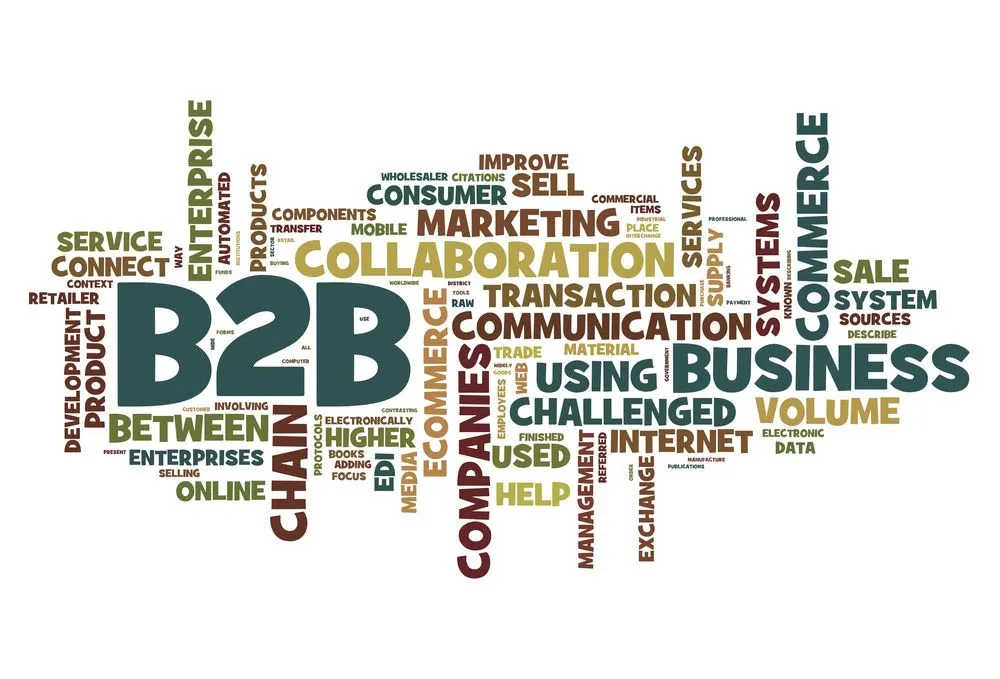
For example: For B2C search queries (Business-to-Consumer) like "how to choose the best coffee maker," AI will prioritize articles that provide product information, compare models, and give practical advice. On the contrary, with B2B (Business-to-Business) queries like "Vietnam coffee market analysis," AI will cite in-depth reports, industry analyzes and statistical data.
The Importance of E-E-A-T Signals (Experience, Expertise, Authority, Trustworthiness): This is a factor that Google and AIs highly appreciate. Content that clearly demonstrates practical experience, deep expertise, and is written by authoritative and trustworthy sources will be highly appreciated and prioritized by AI. This confirms that, in the AI era, the value of human content is still irreplaceable.
Based on these findings, Tan Phat Digital has compiled and offered 4 specific strategies for you to optimize content, helping your website not only be Google-friendly but also "catch the eye" of AI search engines.
4 Ways to Optimize Content to Get Ranked AI Quote
1. Create High-Quality and Clearly Structured Content
This is the golden rule. Your content not only needs to be useful but also easy for the AI to "digest."
Use subheadings and lists: Divide the article into small sections with clear subheadings (H2, H3).
Use bullet points and numbered lists: When you present a process or series of ideas, use lists books. This helps AI easily extract excerpts and summarize information.
Practical example: You write the article "How to optimize articles for SEO standards". If you divide your article into clear sections like:
Step 1: Keyword research
Step 2: Write an attractive title
Step 3: Optimize meta tags
...
AI will easily understand and quote a specific section, for example "Step 2: Write an attractive title" to make a sentence Reply when a user searches. On the contrary, if you write all the content into one long paragraph, it will be difficult for AI to analyze and your article will have less chance of being selected. This is similar to applying Technical SEO rules so that your website can easily be crawled and indexed by Googlebot.
2. Optimize for Specific Search Intent
To be cited by AI, your content must accurately meet user needs.
Determine Search Intent: Before writing, put yourself in the user's shoes to understand what they are looking for. Do they want to find out information, compare products, make a purchase or find a solution?
Write content appropriate to each stage of the user journey:
Early stage (awareness): For beginners, write articles that are simple definitions and explanations. For example: People searching for "What is SEO?" have the purpose of basic understanding. AI will prioritize articles with easy-to-understand definitions, without too many technical terms.
Middle stage (consideration): Provide comparison articles, reviews, and detailed instructions.
Final stage (action): Write content that motivates action, such as "buy now," "subscribe," or "contact system."
3. Building Strong E-E-A-T Signals
AI is programmed to look for signs of trust. Your content must clearly demonstrate experience, expertise and come from a trustworthy source.
Share personal experience (Experience): Instead of just synthesizing empty theories, integrate stories and practical examples based on your experience.
For example: In the article "How can your website help you build a sustainable brand," you can share a story about a small business that succeeded by building a website with unique features.
Demonstrate expertise: Make sure the writer has extensive knowledge of the topic.
Build authority and trustworthiness:
Link to reputable sources credit.
Have clear author information, including biography and experience.
Get quality backlinks from other websites.
4. Using Structured Data and Schema Markup
Structured Data is how you "talk" directly to AI and search engines. It helps AI better understand your content.
What is Schema? Schema is a type of markup that you add to your website to provide context to search engines.
How to use it effectively:
Schema HowTo: Use for step-by-step tutorial articles. For example, the article "How to post products on Shopee" will easily be chosen by Google as an "AI Overview" quick answer if you use Schema HowTo, because it will present the steps clearly and easily to understand.
Schema FAQ: Used for common questions and answers.
Schema Article/BlogPosting: Helps Google understand the content article.
Tan Phat Digital always encourages and applies the use of Schema in its website design and optimization services to ensure maximum visibility on search engines.
In the context of increasingly popular AI search engines, optimizing content to be cited by AI is no longer an option but has become a mandatory requirement. By understanding how AI selects and cites content, you can tailor your SEO strategy to increase visibility and reach users more effectively.
The four strategies above – from creating clearly structured content, optimizing for search intent, building strong E-E-A-T to using structured data – will be your guide. Start applying today.
Share