I. Strategic Introduction: Redefining the Concept of "Free" in the Digital Era of 2025
1.1. Free Website Building Market Landscape 2025
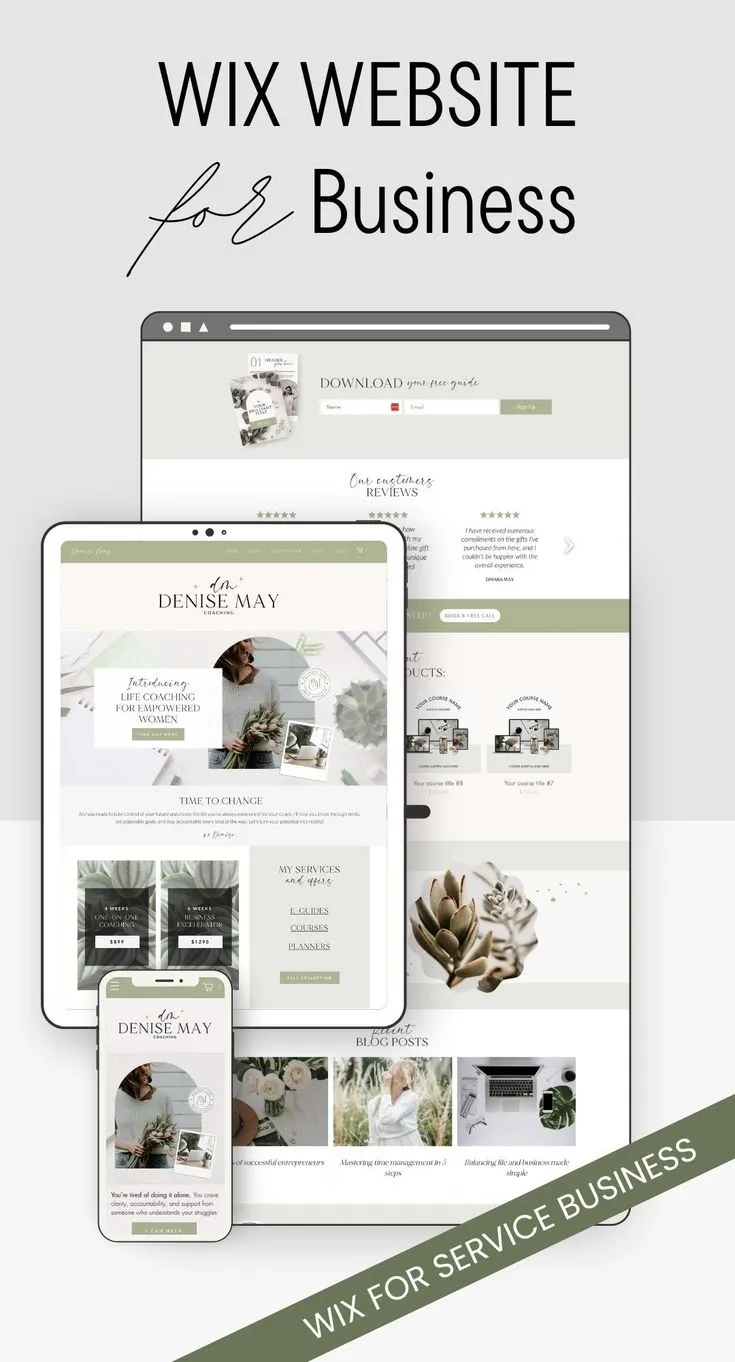
The website building market has undergone a significant technological shift in recent years. Thanks to intuitive drag-and-drop tools and deep integration of Artificial Intelligence (AI), the technical barriers to creating a professional website have almost disappeared. This ease allows small business owners, bloggers, and startups to launch projects online quickly without the need for programming knowledge.
This convenience is underpinned by the "Freemium" business model that has become the industry standard. Most major platform providers, including Wix, Weebly, and Jimdo, offer a free plan ($0). However, this free plan is usually not designed as an end product. Instead, it serves as a testing channel, allowing users to familiarize themselves with the platform. As the project grows, users will need to upgrade to unlock revenue-generating features, deep customization, or overcome resource limitations.
This report will focus on analyzing the best and most popular free platforms in 2025, including Wix, Weebly, WordPress.com, Google Sites, Jimdo, Site123, IM Creator, Duda, and Canva. This comprehensive analysis aims to provide quantitative and strategic information to select the most suitable solution.
1.2. Core Tradeoffs: The Hidden Cost of a $0 Plan
When choosing a free website solution, users must accept important tradeoffs, especially around professionalism and resource limitations. The biggest trade-off is having to use the platform's branded subdomain (subdomain), for example yourwebsite.wixsite.com. This significantly reduces the credibility and professionalism of the online brand.
Besides domain names, physical resource limitations are another major barrier. Specifically, Wix and Weebly both impose a storage limit of 500MB for the free package. For websites that intend to develop image- or video-rich content, this limit will quickly be surpassed. Free platforms generally limit storage, bandwidth, and advanced customization options.
While free tools provide basic SEO support, using subdomains can affect brand recognition. However, some platforms have tried to make their subdomains more user-friendly. For example, Jimdo uses the yourwebsite.jimdosite.com format, which is considered easier to remember than the long or random character formats of some other competitors. For users who plan to stay on the free plan "forever" or plan to upgrade slowly, choosing an easy-to-read subdomain can help make a better first impression.
1.3. Technology Trends 2025: The Power of AI in Free Design
The year 2025 is marked by the deep integration of Artificial Intelligence (AI) into the website building process. AI technology helps automate the creation of page structure, text content, and images, allowing users to create high-quality websites at a rapid pace, eliminating the difference in deployment speed between free and paid plans.
Wix is currently leading the AI market in this field, rated as the best overall AI platform. They offer a comprehensive suite of AI tools, including AI Site Creation (create complete websites based on a few simple questions), AI text creator (create short and long-form content), and advanced image editing tools like AI image editor, object eraser, and upscale resolution. Additionally, Wix also supports AI-led SEO, providing useful analytics and recommendations to optimize your website for search engines.
Even though some competitors like Hostinger (which doesn't offer a free plan) also have powerful AI features like AI writer, logo generator, and AI heat map, the availability of advanced AI features in Wix's free plan is a big competitive advantage.
However, AI's acceleration of high-quality content creation creates a strategic consequence: users will quickly reach physical resource limits. The speed of content creation makes it easy for users to use up the 500MB storage/bandwidth limit provided for free. This turns AI into a powerful transformation tool. Increased content creation speed leads to increased quality and number of pages, thereby using up 500MB of storage, forcing users to upgrade to maintain and grow the site.
II. In-depth Ranking of Top 10 Best Free Website Building Platforms 2025
2.1. Overall Rating and Top Picks
Market analysis reveals stark differences in the optimal uses of the top free platforms.
Wix:
Expert Review 2025: Best Overall/AI
Optimal Purpose: Flexible Design, Startup AI
Free Plan Strengths: Advanced AI Tools, Diverse Templates (500+)
Limitations Worth Watching: 500MB Storage/Bandwidth Limit , No E-commerce
WordPress.com:
Expert Review 2025: Best for Content content
Optimized Purpose: Bloggers, Magazines, Community Sites
Free Plan Strengths: Better storage capacity (1GB), Natural SEO optimization
Limitations Worth noting: Lack of source code/plugin control (on Free plan)
Weebly:
Review Expert 2025: Best for E-commerce Startups
Optimal Purpose: Basic physical sales, Portfolios
Strengths Free Plan: Allows physical sales (Free E-commerce), Unlimited bandwidth
Limitations Worth noting: Square/Weebly ads required
Jimdo:
Expert Review 2025: Best for Newbies
Optimal Purpose: Simple splash page, Potential for future sales
Free Plan Strengths: Friendly subdomain (
jimdosite.com), Easy to useLimitations Worth Watching: Limited advanced design features
Google Sites:
Expert Review 2025: Best for Quick Projects
Optimal Purpose: Internal, Events, Simple Dashboards
Free Plan Strengths: Deep integration with Google Drive, No Ads
Limitations Worth Watching: Lacks advanced customization features
Wix maintains its top position thanks to its flexible design capabilities and comprehensive AI toolset. Weebly differentiates itself by allowing physical sales on its free plan, making it a top choice for small ecommerce startups that need to test the market. WordPress.com continues to be the optimal choice for content-based projects, like blogs or online magazines.
2.2. Detailed Ranking by Intended Use
For Bloggers and Long-form Content (WordPress.com): WordPress.com remains the optimal platform for content-based projects. It offers a 5-step structured setup process, helping users build a solid content foundation.
For Image Design and Portfolios (IM Creator, Canva): IM Creator features an easy point-and-click interface, diverse templates and rich images, supporting different single or multi-page layout designs. This is a flexible platform for projects that require creativity. Canva, with its strength as a design tool, is the ideal choice for users who want to quickly convert graphic designs into websites.
For Professional Projects and Team Collaboration (Duda): Duda is a feature-rich website builder that offers rich widgets and media files. Duda's strengths are its team collaboration tools and basic analytics, suitable for small teams to test before moving to premium plans (from $14/month if billed annually).
Comprehensive Top 20+ Free Platforms List: In addition to the top picks analyzed in detail, the market offers many other powerful platforms, each with a unique strength:
Wix
Expert Review 2025: Best Overall/AI
Optimal Purpose: Flexible Design Active, AI Startup
Free Plan Strengths: Advanced AI Tools, Diverse Templates (500+) , Free Forever
Limitations Worth Watching: 500MB Storage/Bandwidth Limit , No E-commerce , Wix Ads Display
Weebly
Expert Review 2025: Best for E-commerce Startups
Optimal Purpose: Basic physical sales, Portfolios
Strengths of Free Plan: Allows physical sales (Free E-commerce), Unlimited Bandwidth, Free SSL
Restrictions to Note: 500MB Storage limit, Square/Weebly ads required
WordPress.com
Expert Review 2025: Best for Bloggers
Optimal Purpose: Blogging, Magazines, Community Sites
Free Plan Strengths: Better Storage (1GB+) , Natural SEO Optimization
Limitations Needed note: Lack of source/plugin control (on Free plan)
Jimdo
Expert Review 2025: Best for Newbies
Optimal Purpose: Simple splash page, Potential for future sales
Free Plan Strengths: Friendly subdomain (
jimdosite.com) , 5 GB StorageRestrictions to Note: 5 page limit, No Advanced SEO, No E-commerce
Google Sites
Expert Review 2025: Best for Quick Projects
Optimal Purpose: Internal, Events, Promotional Sites simple news
Free Plan Strengths: Deep integration with Google Drive, No ads , Easy access management
Limitations Worth Watching: Lacks advanced customization, Uses default subdomains
Strikingly
Expert Review 2025: Best for Simplicity
Optimal Purpose: One-page website, Basic sales testing
Strengths of Free Plan: Unlimited Free Sites, Allows selling only 1 product, 24/7 Support
Limitations Worth noting: Limit 500MB Storage, 5GB Bandwidth/month, Transaction fees apply 5%
SITE123
Expert Review 2025: Best for Simple Deployment/Design
Optimal Purpose: Category-based sites, Fast deployment
Free Plan Strengths: 500MB Storage, 1GB Bandwidth, Nearly 200 templates, Business tools basic business
Limitations Worth noting: No HTML support, Cannot install free apps/plugins, Subdomains include random characters
Webflow
Expert Review 2025: Best for Designers
Optimal Purpose: Highly customizable design, Technical learning and development Features
Free Plan Strengths: Powerful customization and design control
Limitations Worth noting: 2 page limit, 50 CMS items, 1GB Bandwidth, Requires high technical/design knowledge
IM Creator
Expert Review 2025: Free website designer
Optimal Purpose: Portfolios, Creative Projects, Personal Websites
Free Plan Strengths: Easy point-and-click interface, diverse templates, unlimited web hosting
Limitations Worth noting: Lack of details on specific resource limits
Duda
Review Pricing Expert 2025: Free website builder
Optimal Purpose: Professional Projects and Team Collaboration, Agency websites
Free Plan Strengths: Feature-rich, basic analytics and team collaboration tools
Limitations Worth noting: Free plans are often limited trials
Canva
Expert Review 2025: Free website builder
Optimal Purpose: Graphical Conversion, Simple Landing Page
Free Plan Strengths: Quickly convert existing graphic designs into websites, design user-friendly interface
Limitations Worth noting: Website functionality is limited, focus on elements images.
Elementor Website Builder
Expert Review 2025: Best for WordPress (Drag and Drop)
Optimal Purpose: Create custom designs on WordPress (requires separate hosting)
Free Plan Strengths: Allows for in-depth design customization without coding
Limitations Worth noting: Needs separate hosting, Free version has very limited options , Requires basic design knowledge
WebNode: Suitable for Event or Personal Websites.
Mozello: Simplified platform, focusing on speed of construction builder.
WebStarts: Visual drag-and-drop builder.
Squarespace: Platform known for premium design templates (usually only offers free trials).
GoDaddy: Popular builder, offers basic free plan with ads report.
Tilda: Optimized for design based on existing blocks.
Zyro: AI integration platform, emphasizing speed and simplicity.
Bootstrap: Free, open source framework. Requires technical knowledge of HTML/CSS (not a drag-and-drop builder).
Adobe Dreamweaver: Professional web design software (requires programming skills, not an online builder).
III. Quantitative Analysis: Comparing Features and Limitations of Free Plans
3.1. Compare Technical Resources and Performance Limits
Understanding technical resource limits is key to ensuring your website can grow without interruption.
Compare Features and Technical Limits of the Top 5 Free Platforms (2025)
Wix:
Free Domain: Subdomain (wixsite.com)
Storage: 500MB
Bandwidth: 500MB
Platform Ads: Required
SSL & CDN: Yes (Free)
Weebly:
Free Domain: Subdomain
Storage: 500MB
Bandwidth: Unlimited
Platform Ads: Required (Square/Weebly)
SSL & CDN: Yes (Free)
WordPress.com:
Free Domain: Subdomain (.wordpress.com)
Storage: 1GB or more
Bandwidth: Limited (Depends) package)
Platform Advertising: Yes (Depending on level)
SSL & CDN: Yes
Jimdo:
Free Domain: Subdomain (jimdosite.com)
Storage: 5 GB
Bandwidth: Limited
Platform Advertising: Required
SSL & CDN: Yes
Google Sites:
Free Domain: Subdomain (sites.google.com)
Storage: Based Google Drive
Bandwidth: Unlimited (Usually)
Platform Advertising: No
SSL & CDN: Yes
Both Wix and Weebly limit storage to 500MB. While Weebly stands out for offering unlimited bandwidth, Wix only offers 500MB of bandwidth. However, it should be noted that the 500MB storage limit is a real physical barrier to growth. A 500MB site rarely generates enough traffic to clog the bandwidth, unless it hosts large downloads. Therefore, although Weebly's bandwidth advantage seems large, the 500MB storage limit is still the main deciding factor. All the leading platforms offer free SSL certificates to ensure security.
3.2. Restrictions on Customization and Source Code Access
Free plans are often limited in terms of advanced customization. Access to HTML, CSS, and JavaScript source code is often locked to keep users within the platform's drag-and-drop ecosystem.
However, Wix offers a greater degree of flexibility. Wix users can add Custom CSS or Javascript for further customization, giving them more granular design control without the need to upgrade. This makes Wix an attractive choice for users with design experience or who want to experiment with advanced functionality. Even so, this freedom makes Wix a little more complicated when building a website than other simpler platforms.
3.3. E-Commerce Capabilities and Sales Limits on the Free Plan
For users with revenue generation goals, the e-commerce capabilities on the free plan are a major differentiator between platforms.
E-Commerce Capabilities and Sales Limits on the Free Plan
Wix:
Allow Sales (Free): NO
Item Type: N/A
Transaction Fee: N/A
Most Important Deficiencies: Payment Gateway, Shopping Cart, Locked Inventory Management
Weebly:
Sales Allowed (Free): YES
Goods Type: Physical (Physical goods only)
Transaction Fee: Square processing fee (Optional)
Most Important Deficiency: No advanced features (e.g. cart abandonment email)
Jimdo:
Allow Sales (Free): NO (Future Focused)
Commodity Type: N/A
Transaction Fee: N/A
Most Important Deficiency: Storefront scalability is locked
Wix adopts a strategy of completely locking down E-commerce features , forcing users to upgrade to the Core plan ($29/month) or more to start accepting payments and using sales management tools.
In contrast, Weebly is the only option among the top Builders that allows users to sell physical goods right on the free plan. This strategy is to attract users to accept Square's (owner of Weebly) transaction processing fees from the beginning. Although users must accept Weebly/Square's ads displayed on the site, this is an ideal solution for small online stores that want to test the market without investing in a paid subscription.
IV. A–Z Implementation Guide: Create a Free Website on Top Platforms
The process of creating a free website is now maximally simplified, focusing on user experience without programming.
4.1. The A–Z Process with Wix: Leverage AI Site Builder and Design
The Wix website creation process takes full advantage of AI technology:
Step 1: Get started with AI:Get started with Wix AI Site Builder. Users answer a few simple questions for the AI to create the initial website structure and content. This process helps create a website quickly.
Step 2: In-Depth Customization: Use the intuitive drag-and-drop editor. Users can choose from over 500 available templates and adjust the layout. Leverage AI tools to create and edit images and optimize content.
Step 3: Basic Optimization: Set up SEO parameters (meta tags, alt text) and ensure that the website has a responsive design, working well on mobile devices.
Step 4: Publish: Connect the free subdomain (
wixsite.com) and complete publishing.
4.2. The A–Z Process with Google Sites: Speed and Simplicity
Google Sites is a good choice for simple listings that need quick deployment and Google Drive integration. The 5-step process includes :
Start a New Project: Go to Google Sites and create a new page, naming the project.
Building the Basics: Insert titles, text, and images.
Customize Site Layout and Structure: Add a logo, create subpages (subpages) through site management.
Finalize the Design: Add a theme and other basic information like copyright.
Publish Website: Set a unique URL for your website and you're done. The website will use the default Google Sites domain name.
4.3. The A–Z Process with WordPress.com: Building a Content Platform
For bloggers and content-based projects, WordPress.com offers a clear process:
Set up a Site and Domain: Register and select a subdomain
.wordpress.com.Home Page Design: Choose the optimal topic for reading content.
Create Essential Pages: Build basic page structure (About, Contact) and create blog posts.
Set up Menu: Create a clear navigation menu for visitors.
Add Social Media: Integrate social media channels to increase online presence.
V. Scaling Strategy: When and How to Upgrade (Scaling Strategy)
5.1. Signs That An Upgrade Is Necessary
Upgrading from a free plan is inevitable for projects with growth ambitions. The most obvious warning signs include:
E-Commerce/Payments Needs: When it comes to accepting online payments or integrating shopping carts, features are locked on the free plan (except Weebly).
Resource Limit: The website started working slowly because it reached the 500MB bandwidth limit or ran out of 500MB storage space. In particular, the rapid content creation speed thanks to AI will make reaching this limit happen sooner.
Professionalism Required: When it is necessary to remove platform ads and use a custom domain name (
.com) to build brand trust.
5.1.5. Optimal Choice: Complete Professional Website Design Solution
For businesses, upgrading is not simply about removing ads or buying more storage. It is a transition to a core business platform, requiring high professionalism from design to operation. This is when comprehensive website design services become the optimal choice, completely solving the limitations of the free package:
Exclusive Design with UI/UX Standards: Different from using built-in templates from Builders, professional services like Tan Phat Digital focuses on designing exclusive interfaces, UI/UX standards, helping the brand become professional and different.
Comprehensive SEO optimization: The website is built with a standard SEO structure from the beginning, supporting optimization. enhance and push to the top of Google, helping to increase conversions and attract potential customers in a sustainable way.
Powerful E-commerce system: Professional solution fully integrates e-commerce features (shopping cart, payment via Momo, VNPay, Stripe, PayPal) and effective product, order, and warehouse management system, something that free packages completely block again.
Long-term Maintenance and Support: Instead of having to manage and fix errors yourself, businesses receive free lifetime maintenance and website updates and long-term support from a team of experts.
Choose the right package solution for businesses serious about asserting their position in the digital environment, turning the website into a core business platform.
5.2. Analyze Upgrade Costs and Starting Packages
Financial planning for the conversion is important. The starting cost to remove ads and use a custom domain name varies widely between Builder and self-hosted solutions.
Comparing Starting Premium Plan Costs and Values Given (2025)
Hostinger:
Cheapest Paid Plan: Single Web Hosting
host)
Weebly:
Cheapest Paid Plan: Personal
Estimated Price (USD/month): $10 (Yearly)
Key Features Unlocked: Remove Ads, Unlimited Storage, Custom Domains
Good for: Physical Sales Startups reason
Duda:
Cheapest Paid Plan: Basic
Estimated Price (USD/month): $14 (Annual)
Key Features Unlocked: Basic Analytics, Team Collaboration Tools
Good for: Small Businesses (Design Focused) design)
Wix:
Cheapest Paid Plan: Light
Estimated Price (USD/month): $17 (Monthly)
Key Features Unlocked: Remove Ads, 2GB Storage, Custom Domain
Good for: Design and AI
Note: Hostinger's $2.99 price applies to long-term commitments.
The minimum cost of having a professional website on Builders like Wix ($17/month) and Weebly ($10/month) is significantly higher than the cost of a self-hosted solution (Self-Hosted WordPress with Hostinger, $2.99/month).
5.3. Strategic Transition Consulting: From Builder to Self-Hosted WordPress
For projects with a long-term vision that require source code control, in-depth plugin integration, and cost optimization, moving from free or low-cost Builders to self-hosted WordPress.org is the best strategic decision.
The monthly cost difference between Builder's lowest paid plan and the self-managed hosting plan is an important financial factor. While the paid Builders offer fast deployment speeds, the low-cost self-hosted solution (from $2.99/month) offers unlimited control, allows for CSS/JavaScript customization, and unlocks the full growth potential of WordPress. For users with basic technical skills, investing in a self-hosted solution from the beginning is considered the best cost optimization strategy to achieve professionalism and scalability.
5.4. Case Study: Success Stories and Scaling Strategies
Many entrepreneurs have used the free plan as a launching pad to test their ideas and attract their first customers, then quickly upgrade to scale.
Wix and the Print-on-Demand (POD) Model:
Many Wix success stories started with projects Passionate about taking advantage of AI tools and free design templates. When deciding to move into business, seamless integration with print-on-demand services (like Printful) right from the Wix dashboard has enabled creators to turn ideas into products and sell online at global scale. This process requires no inventory management, allowing brands from non-profits to sporting goods to grow quickly, thereby promoting upgrades to E-commerce plans that unlock payment gateways and in-depth marketing tools.
Weebly and Innovative Startups:
Weebly has helped more than 50 million artists, makers, and creative entrepreneurs around the world create websites or online stores. Thanks to an intuitive drag-and-drop interface optimized for touch screens, users can easily manage their store, process orders, and monitor website statistics right on their mobile devices. The ease of use and strong commerce features, even in the free plan, have made Weebly the preferred choice for small businesses that need to test their e-commerce capabilities before paying to remove Square/Weebly ads.
The free website creation market in 2025 offers many opportunities but also comes with strategic technical limitations. The best options depend on the core goals of the project:
If Design and AI Tools are a priority: The top choice is Wix. The platform offers the most advanced AI tools for site and content creation, along with over 500 mobile-ready design templates. However, you need to keep in mind the 500MB resource limit.
If Testing Sales is a priority: The choice is Weebly. It is the only freemium platform that allows basic physical sales even on a free plan, ideal for small retail startups looking to test the market without investing in a paid subscription.
If Content and Long-term Professionalism are a priority: The choice is WordPress.com (with a vision of moving to WordPress.org). This platform offers better storage and is the gold standard for content-based projects.
Strategic Recommendation: The free plan should be considered a learning and testing tool. For any business venture, planning to upgrade to a paid plan is a must when reaching the 500MB storage limit or when needing to build credibility with a custom domain name. In many cases, skipping Builder's paid packages and switching straight to a self-hosted WordPress solution with cheap hosting will provide the most optimal balance between cost, professionalism, and absolute control. For businesses, to ensure absolute quality, speed, SEO and scalability, investing in professional design services from the beginning will be a cost-effective and long-term performance strategy.
VII. Frequently Asked Questions (FAQs)
1. How long can I use the free plan?Platforms like Wix offer a "forever" free plan, allowing you to keep your website free indefinitely. However, you must accept the platform's limits on resources (typically 500MB storage/bandwidth) and ads displayed on your site.
2. Is a free website safe enough?Yes. Most major platform providers offer free SSL certificates (secure lock symbol). This ensures basic security and makes your website more trustworthy for visitors.
3. Can I sell on the website for free? Very rare. Among the top platforms, only Weebly allows you to sell physical goods on its free plan. Other platforms like Wix and Jimdo will completely lock down E-commerce functions, including payment gateways and shopping carts, forcing you to upgrade to a paid plan to start selling.
4. Does using a subdomain affect SEO? Although free platforms offer basic SEO tools like meta tag optimization and image alt text, using a subdomain (e.g. yourwebsite.wixsite.com) reduces professionalism. Google's preference for subdomains over custom domains (.com) for branding purposes remains an important factor for expanding a long-term online presence.
Don't let financial barriers stop you from building an online presence.
Get started today: Choose the platform that fits your goals – Wix for flexible design and advanced AI, or Weebly for testing physical sales.
Extended Plan: The free plan is the perfect starter. However, as soon as you see an increase in traffic or need to build your professional brand with a custom domain name, be ready to switch.
Cost Optimization: If the project has a long-term vision, consider switching to self-managed WordPress.org with cheap hosting for maximum control and lowest operating costs going forward. Or, if you are a business that needs professional solutions, look for a full-service website design partner to ensure long-term performance and growth.
Start your free website today and turn your ideas into reality!
Share