In the context of the constant evolution of the digital ecosystem in 2025-2026, image optimization has gone beyond the scope of a mere technical trick to become a strategic pillar. As artificial intelligence (AI) begins to penetrate deeper into the Google algorithm, images now serve not only an aesthetic role but also as entities containing semantic data, directly influencing user experience metrics, page load speed and visibility in multi-modal search eras like Google Lens and AI Overviews.
I. The key role of image SEO
1. For Website performance
Optimize page loading speed: Unoptimized images are the main cause of website slowdown. Google especially prioritizes pages with loading speeds under 1.5 seconds.
Improving Core Web Vitals index: Optimal images help reach the "Good" threshold for LCP (under 2.5s) and CLS (under 0.1). In particular, Interaction to Next Paint (INP) has now replaced FID to measure page response.
Increase conversion rate: Clear product images, fast loading help reduce page bounce rate and motivate users to make a purchase.
See more: Reputable website design service in Ho Chi Minh
2. For user experience
Provide visual information: Images help convey messages more quickly and easily than plain text.
Brand recognition: Exclusive, high-quality images help customers remember the website and create lasting trust.
Common Mistakes When Using Photos Above Website
Here are common errors when using images on the website that you should avoid:
Uploading original images that are too large and uncompressed: This is the most common error and the main cause of website slowdown. Upload photos directly from your phone or digital camera without any processing.
No Alt tags or generic Alt tags: Missing Alt attribute or only writing
alt="photo",alt="image". Missing the opportunity to help Google understand image content and support visually impaired users.Name image files incorrectly or meaninglessly: Default file names like
DSC001.jpg,IMG_9876.pngdo not help SEO.Using the wrong image format: Using PNG for photos (large capacity) unnecessary) or use JPEG for the logo (poor quality when there is a transparent background).
Not optimizing display size: Uploading an image that is too large compared to the actual size of the image displayed on the page.
Do not use Responsive Images: Images display well on desktop but are too large and slow down the website on mobile.
Do not deploy Lazy Loading: The website must load all images at the same time when entering the page, slowing down the time it takes to display the main content.
Using images unrelated to the content: Images are only for decoration and do not illustrate or add meaning to the article content.
Avoiding these mistakes is an important step to optimize Images for SEO effectively.

II. 15+ In-depth image SEO optimization checklist (Updated 2026)
To achieve the highest SEO efficiency, businesses need to perform the following steps synchronously:
Relevance and exclusivity: Use images closely related to the content. Priority is given to selfies or self-designed photos. Google AI is now capable of distinguishing between original and edited images from available sources.
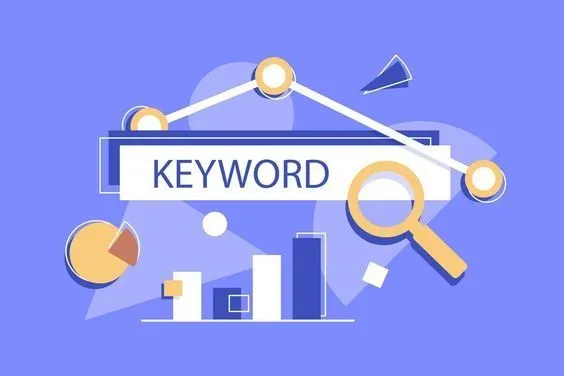
Image keyword research: Use SEO tools to identify keywords that customers often use when searching for images and attach them to image attributes.
Featured images increase CTR: Use attractive cover images to increase click-through rates from search results.
Next generation file formats:
AVIF: Leading format for highest compression efficiency, smaller capacity than JPEG to 50%.
WebP: Gold standard with 96% global browser compatibility.
SVG: For logos, icons to ensure sharpness when scaling.
Optimize file name (Filename): Set Vietnamese name without accents, connected by hyphens, containing main keywords and no more than 55 characters (For example:
thiet-ke-website-chuan-seo.webp).Standard size and capacity:
Capacity: Ideal < 100KB, absolutely no more than 200KB for content images.
Website banner: 1200x630 px.
Post image: Minimum width 700px.
Representative image (Thumbnail): 940x492 px to display well on Facebook.
Alt Tag (Alt Text) and Caption (Caption): Write Alt text main description Correct image content, contain natural keywords and less than 125 characters. Display captions help increase dwell time.
Image density: About 300 words should have an illustration to avoid boredom.
Geotagging: Add GPS coordinates to the EXIF data of photos to increase Local SEO effectiveness for businesses with physical addresses
Title Attribute: Provides additional support information for Google Bot and users.
Image Sitemap (Image Sitemap): Create a separate XML sitemap file for images to ensure quick and complete indexing by Google.
Optimize EXIF data: Remove unnecessary personal information to reduce the size but retain author/copyright information to confirm E-E-A-T.
Responsive Images: Use the
srcsetandsizesattributes to let the browser choose the appropriate image size for the user's device.Lazy Loading: Apply
loading="lazy"for images below the fold to prioritize initial loading speed.Fetch Priority: Use
fetchpriority="high"for the most important images (usually Hero/LCP images) to force the browser to load immediately, improving LCP index by up to 30%.Content Delivery Network (CDN): Use CDN (like VNCDN, Cloudflare) to store and deliver images from the server closest to the user, minimizing latency.
Structured data (Schema Markup): Deploy
ImageObjectSchema helps images appear in rich search results and helps AI understand context to cite content content.
Suggested Effective Image Optimization Tools
There are many free and paid tools to help you optimize Images for SEO. Here are some popular and effective suggestions:
Online image compression tool:
TinyPNG / TinyJPG: Very popular, easy to use, effective compression of PNG and JPEG images.
Squoosh: Google tool, allows compression of many image formats (including WebP), compares quality before and after when compressing.
Compressor.io: Supports many formats, lossy and lossless compression options.
WebsitePlanet Image Compressor: Tool supports PNG and JPEG image compression with capacities up to 50MB per image – great for large image files. Simple interface, easy to use, fast processing speed.
Image compression tool on Computer:
ImageOptim (Mac): Free tool, losslessly compresses many image formats.
FileOptimizer (Windows): Free tool, compresses many file formats, including images images.
Image optimization plugin for WordPress:
If your website uses WordPress, there are many plugins that help automatically optimize images when uploading:
Smush: Popular, compress images, support Lazy Loading.
EWWW Image Optimizer: Optimize images automatically when uploading, support conversion to WebP.
ShortPixel: Paid plugin (limited free version), very effective compression, supports WebP and Lazy Loading.
Image storage and optimization service (Image CDN):
Services such as Cloudinary, ImageKit provide solutions for storing images on the CDN network (Content Delivery Network) and automatically optimize images as required (resize, compress, WebP format...) when images are downloaded by users. Suitable for websites with a large number of images and high traffic.
Combining manual techniques and using the right tools will help you optimize Images for SEO effectively and save time.
III. Image SEO trends in the AI era 2026
1. Optimize for Google Lens and Visual Search
Visual search is growing 30% each year. Google Lens is currently capable of recognizing more than 1 billion objects. To "climb" on these platforms, images need to have high resolution (at least 1200px on the longest side), good lighting and a clear subject.
2. Authenticity and Content Credentials (C2PA)
In the era of AI photo explosion, Google started to prioritize images with metadata about the origin (C2PA/IPTC). Embedding "About this image" credentials helps build trust with both the algorithm and users, avoiding penalties for fake news or low-quality content.
3. Likelihood of being cited by AI
Systems like AI Overviews prioritize citation of web pages with a multimodal combination: concise text (134-167 words) accompanied by images/charts with fully structured data.
IV. Tan Phat Digital - Image optimization website design solution
Image optimization is an inseparable part of On-page SEO. At Tan Phat Digital, we provide comprehensive solutions to help businesses own professional, SEO-standard websites right from the beginning:
Lightweight website design - optimized speed: Clean source code structure, optimized database and high scores on speed measurement tools.
Automatic image optimization system: Integrated module to automatically compress and convert to WebP/AVIF immediately upon upload.
Core Web Vitals standard structure: Pre-set technical attributes such as
width,height,loading="lazy"andfetchpriorityto optimize user experience on all devices.Companion and maintenance: Regular monitoring Monitor SEO indicators, user behavior and 24/7 technical support to ensure the website always operates at peak performance.
See more: Reputable website maintenance service in Ho Chi Minh Minh
Successful Case Study on Image Optimization & SEO
Here are real-life examples of economic and technical efficiency when applying a comprehensive image optimization strategy:
Bloom & Wild (Fresh Flower Industry): Achieved 472% organic traffic growth each year thanks to image SEO strategy to dominate Google Images search results.
Iowa Girl Eats (Food Blog): Increased traffic 88% after optimizing entire photo library and applying Schema markup, generating 72,100 visual snippets on search results.
Woodworking Wood Business (First Rank): Achieved a 277.6% increase in sessions and 50% clicks thanks to 100% image optimization across the e-commerce site.
MESHKI (Fashion International): Explosion of 493% in organic traffic after optimizing product pages with unique descriptions and data image structure, helps increase 35% conversion rate.
TSI - Magento Store (Furniture): Achieved 417% traffic and 112% revenue growth in 8 months by prioritizing performance optimization (site speed) and visual UX.
Cleanvoice (AI Technology): Increased 300% monthly recurring revenue (MRR) in 6 months thanks to a technical SEO strategy and product manual image optimization.
Blush & Bar (Jewelry): Increase the number of keywords on the first page from 2,000 to 49,000 by refreshing all old content and updating modern images/screenshots.
Billionaire Watches level): Increase 10x (10x) organic traffic in 8 months through optimizing category images and product descriptions based on search intent.
Vidio (Media/OTT): Dramatically increase clicks and image impressions from Google Search by consistently implementing
VideoObjectmarkup for online resources important.On The Map (E-commerce): Achieved 448% organic traffic growth in 6 months after redesigning website focusing on mobile speed and optimizing Responsive Images.
Frequently Asked Questions (FAQs) about Image SEO
Q1: What is the ideal image file size for SEO?
Answer: The ideal capacity is under 100KB for article images and up to 250KB for full-screen banner images to not slow down the website.
Q2: WebP and AVIF, which format should I choose?
Answer: AVIF should be preferred because it provides 20-30% better compression than WebP at the same quality. However, use WebP or JPEG as a fallback for older browsers.
Q3: Does Alt tag need to contain exact keywords?
Answer: Yes, but it must be natural. Please describe the image content correctly and insert keywords in the first characters. Avoid keyword stuffing that ruins user experience.
Q4: Why should you not use Lazy Loading for Hero images (top image)?
Answer: Because the Hero image is usually the main LCP element. Using lazy loading will slow down the rendering of the first screen, causing a decrease in performance score. Use
loading="eager"or thepreloadtechnique instead.
Q5: Does naming the image file "hinh-anh-1.jpg" have any effect?
Answer: Yes, meaningless file names provide no context to Google. Give it a name that contains descriptive keywords, for example:
dich-vu-thiet-ke-web-hcm.webp.
Q6: Can Google read text in images?
Answer: Yes, through OCR and AI technology (like Google Lens), but Google still recommends using actual text (text overlay) instead of embedding text in images to make it easier for Bots to index.
Q7: Should I completely delete my EXIF data? photo?
Answer: Personal data such as GPS coordinates should be removed (if Local SEO is not needed) to reduce file size, but retain author and copyright (IPTC) information to increase the E-E-A-T reputation signal.
Q8: Is Image Sitemap really necessary if the website has few images?
Answer: Still necessary, especially if the website uses a JavaScript library to display images, helping Google Bot find images that the normal crawling process may miss.
Q9: How does the Srcset technique work?
Answer: It allows the browser to load a version of an image whose size best fits the user's screen (e.g., load small images for Mobile, large images for Desktop), saving up to 70% of mobile data.
Q10: How does Aspect Ratio affect SEO?
Answer: A consistent aspect ratio helps prevent layout skipping (CLS). You should use standard ratios such as 16:9 or 4:3 and declare specific width and height in the code.
Q11: How do images appear in AI Overviews?
Answer: Create original images (diagrams, charts) that illustrate the article's direct answers. A scannable (easy to scan) content structure with clear H2 and H3 headings will make it easier for AI to cite.
Q12: How often is it good to insert images into articles?
Answer: The recommendation is 1 image for every 250-300 words. This helps to break up the text, keeping users engaged longer without overloading page resources.
Q13: Is Shopify good for image SEO using WordPress?
Answer: WordPress has the advantage of deep technical customization (image compression plugin, robots.txt editing). Shopify is easy to use and has a fast CDN in place but is limited in its fixed URL structure.
Q14: Does 404 image error lower your website ranking?
Answer: Yes, it ruins user experience and consumes crawl budget. Use a tool like Search Console to detect and fix broken image links.
Q15: How to check whether an image has been optimized?
Answer: Use tools such as Google PageSpeed Insights, Lighthouse or Web Developer utility on the browser to check the actual capacity and presence of Alt tags.
Investing in image optimization is investing in customer experience and sustainable position on the market. Google. Let Tan Phat Digital help you build a solid technical foundation so your image truly brings business value.
Contact information:
Hotline: 0374225294
Website: tanphatdigital.com
Share