“Doing SEO, success or failure depends on content.” This is not a wrong statement, but to be truly successful, we need to understand content in a much broader sense. Most people only think of content as articles, videos or images. However, in the modern SEO world, content is not just display content but also the entire foundation that creates the user experience and the message that the website conveys to Google bots and AI models.
Content in SEO is a comprehensive concept, including aesthetic, technical and strategic elements. It has three core tasks, working in parallel to bring maximum efficiency to the business.
3 Core Tasks of Content in SEO
1. Providing Value to Users
This is the most important task. An article, a product page or a landing page is only truly valuable when it solves a user's problem. Content must answer questions, provide useful information, provide detailed instructions, or provide an enjoyable experience.
For example: An online store selling pet supplies does more than just post product photos and prices. They also create articles on "how to properly care for cat fur", "instructions on choosing the right food for puppies", or videos on how to make your own pet toys. All of this content doesn't directly sell, but it builds trust, expert status in the mind of the customer, and will ultimately lead to a purchasing decision. Valuable content is the foundation for turning a visitor into a loyal customer.
2. Bringing Business Conversions
While providing value is the top priority, SEO content must still serve business goals. Each website needs to be designed to lead users to a specific action, such as making a purchase, signing up for a consultation, or leaving contact information.
To do this, content must be optimized for the entire buying cycle. In the first phase, content focuses on providing useful information to attract users. In the later stages, content such as product comparisons, reviews, and success stories will motivate users to make a final decision. Call-to-Actions must be placed skillfully and clearly, ensuring users know what they need to do next after finding value from the content.
3. Providing Information to Google Bots and Gen AI Bots
While the first and second tasks are aimed at humans, the third task is for special "audiences": data collection bots (Googlebot) and large language models (Gen AI). These bots cannot perceive like humans, they read and understand information through structure, code and technical signals. Therefore, content in SEO must be optimized so that bots can easily collect, analyze and understand the purpose of the website.
Doing this task well will not only help you rank high on traditional search results pages but also increase the chance of the content being cited by AI, included in direct answers to users, also known as AEO (Answer Engine Optimization).
Content in the Broad Meaning: Far Beyond Beyond the Text
As mentioned, content is more than just articles. Below are other important factors that also constitute the comprehensive SEO content of a website.
1. Website Structure (Sitemap and Clear Stratification)
A website is like a library. If the books are arranged haphazardly, the searcher will find it difficult and frustrating. Similarly, a website needs to have a clear and logical silo structure. Homepage is the top layer, leading down to category pages, then to specific product pages or service.
A standard sitemap is a "map" that helps Google bots easily navigate and explore all of your important pages. A clear structure helps bots understand the relationships between pages, allocate SEO "power" appropriately, and avoid errors such as duplicate content.
2. Website Design and User Experience (UX/UI)
A website is not only a place to store information, but also the face of a business. A professional, intuitive and easy-to-use website design will make a good impression on users. Elements such as easy-to-read fonts, harmonious colors, lack of distracting effects, and a coherent layout will encourage users to stay on the page longer and explore more content.
Google has identified user experience (UX) as an important ranking factor through the Core Web Vitals index. A website with good UX will have a lower bounce rate and higher dwell time, sending positive signals to Google and improving rankings.
3. Website Code
This is the "hidden part" of the content. Google bots don't see the beautiful interface you create, they only read the code. A clean, neat set of website code, optimized according to standards such as HTML semantics will help the bot collect information effectively and quickly. On the contrary, bulky code containing many errors will reduce the bot's ability to collect data, directly affecting SEO effectiveness. Code optimization is also very important to ensure the website displays well on all devices, especially mobile phones.
4. Page Speed
In an era where human patience is decreasing, page speed becomes a vital factor. Google recommends a website should load in under 3 seconds. If your website loads slowly, users will leave immediately, and Google bots will also prioritize crawling faster websites.
Page loading speed is not only a technical indicator but also a part of SEO content. It directly affects the user experience and the bot's ability to collect data. A fast website will help Googlebot discover more pages with a given crawl budget, thereby increasing the likelihood of being fully indexed.
5. Schema Markup (Structured Data)
Schema Markup is the language for communicating with Google bots and AI Gens. It helps you "translate" your website's content into a structured format that bots can easily understand. Using schema markup for content such as products, reviews, recipes or events will help Google display rich results, making your website stand out on the search results page.
Good schema markup also provides clear and accurate information to AI models, increasing the likelihood of your content being cited in aggregated answers.
6. Level of Content Consistency and Logic
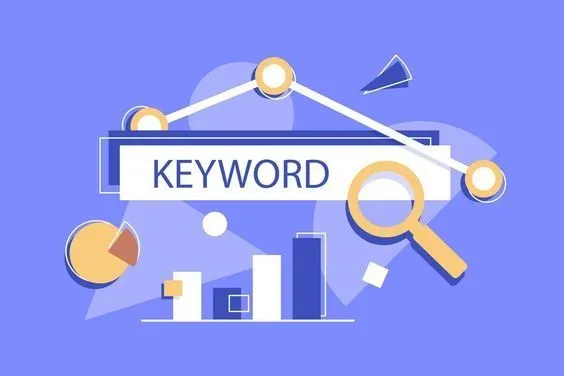
A systematic SEO content strategy requires detailed keyword research, then dividing those keywords into separate topic clusters. This helps ensure each article has a unique purpose, avoiding duplicate content or keyword cannibalization (articles competing for the same keyword).
A unified, logical content system will help Google identify your website as an expert in a specific field (Topical Authority), thereby improving overall rankings and increasing trust from users.
7. Reasonable Internal Links
Internal links are the "transportation network" that connects pages on the website. It helps navigate users to relevant and useful content, and helps Google bots explore and understand your website structure. A sound internal linking strategy will distribute SEO power (link juice) from strong pages to new pages, helping them get indexed and ranked faster.
SEO and Content: The Foundation for Every Traffic Channel
SEO is just one of many channels to get traffic. We also have other channels such as Google Ads, Social Media, Email Marketing or PR & Branding. However, whether you do SEO or not, the content must still be built in a standard way. A good content platform will be a valuable asset for every marketing campaign, from running ads more effectively thanks to an optimized landing page, to building a community on social networks through valuable articles and videos.
In short, if you do well in all aspects of content SEO as mentioned above, push more traffic from other channels and build brand signal, then keywords with average difficulty can absolutely reach the top. For topics with high difficulty, you still need to have additional off-page strategies and build a strong brand to break through.
Tan Phat Digital always considers content as the core foundation of all SEO and marketing strategies. We understand that content is not just words, but the entire experience you bring to customers and the message you convey to the digital world.
Share