I. INTRODUCING BREAKTHROUGH STRATEGY (INTRODUCTION)
A. Traditional Cosmetics Industry Landscape: Models of Selling Promises and Insecurities
For decades, the global beauty industry has built its business model on creating and exploiting consumers' psychological insecurities. Traditional cosmetic brands (Legacy Beauty) often sell the "perfect dream" through cosmetic marketing language, focusing on unrealistic images and exaggeration of results. This popular formula works by making customers feel like their natural features—like dull skin or thin lips—are inadequate, then selling products designed to "fix it."
These traditional brands have taken full advantage of consumers' lack of knowledge about ingredient science, allowing them to price products at high premiums, often disproportionate to the actual cost of ingredients. This lack of transparency creates a never-ending shopping cycle where consumers are led by vague terms like "anti-aging," "regenerating," or "brightening" without scientific explanation or clear evidence. The recent shift in language toward "empowerment" or "self-love" hasn't changed the core essence: the industry still maintains the belief that a natural face isn't enough, it's just that it sells that belief under a more clever "self-improvement" guise.
However, the consumer psychological landscape has changed profoundly. Modern customers, especially Gen Z and Millennials, no longer shop solely based on necessity or external validation, but based on how a product aligns with their sense of self and core values. A 2024 report by Deloitte found that 76% of consumers in this group prioritize shopping from brands that reflect their values, including authenticity, ethics and creativity. This creates a huge market demand for transparency and honesty.
B. The Ordinary and the Manifesto "Clinical Formulations with Integrity"
In 2016, The Ordinary, a sub-brand of Deciem (The Abnormal Beauty Company), was born as an "industry disruptor". This brand claims a core philosophy of "Clinical formulations with integrity", completely challenging the traditional business model.
This strategy, known as "Nerd Marketing" or "Anti-Beauty," is a model that uses scientific language, data, and radical transparency to directly confront the hype, vague marketing jargon, and emotional marketing of the traditional industry. The Ordinary focuses on what really matters: high-quality, scientifically proven active ingredients and fair product pricing. This brand has created a space where everyone can access the benefits of proven ingredients.
C. The Ordinary: The Product is the New Social Currency
The Ordinary's success isn't just about low prices. This brand has succeeded in shifting purchasing motivation from emotion and desire to reason and understanding.
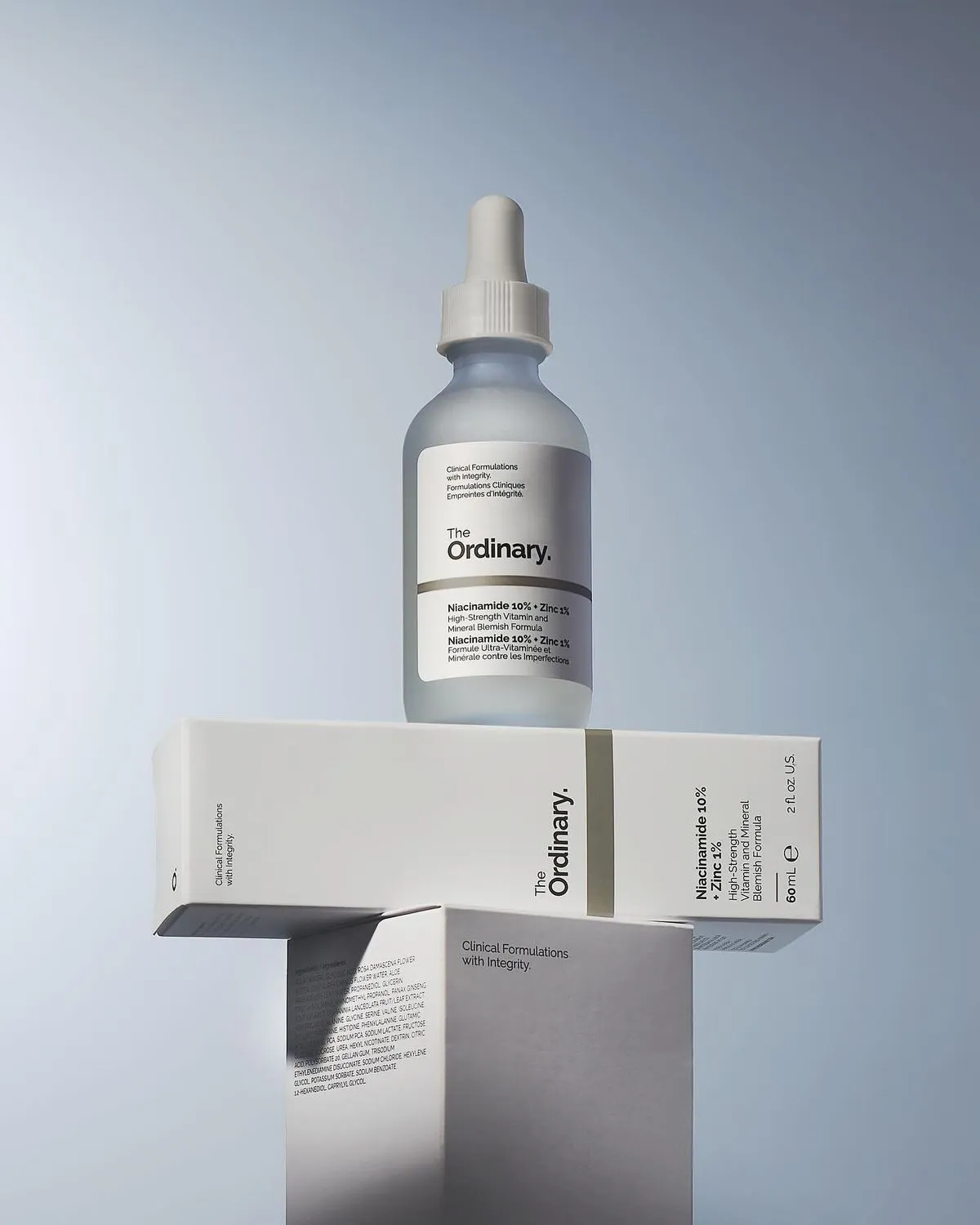
The traditional beauty industry sells insecurity, but The Ordinary sells "knowledge" and "formula". Customers are encouraged to understand their ingredients, concentrations and how they work. Understanding and using The Ordinary's complex scientific language—for example, discussing Retinoids, Lactic Acid, or Niacinamide 10%—creates a new identity for consumers. Users no longer feel passive or ignorant; instead, they feel empowered and smarter than consumers who rely on marketing hype.
This connection leads to a social phenomenon: The Ordinary's products become the new "Social Currency". Instead of bragging about purchasing an expensive luxury product (showing off their wealth), The Ordinary consumers show off their knowledge of their skin care routine and ability to optimize their personal regimen (showing off their intelligence). Purchases are driven by value alignment: brands do not profit from their ignorance, reinforcing loyalty based on respect for the customer's intelligence.
II. ANALYSIS OF THE STRATEGIC PILLARS OF NERD MARKETING
A. Radical Transparency and Product Nomenclature
Radical Transparency is a central pillar of the Nerd Marketing strategy. The Ordinary has implemented this strategy by completely stripping away vague marketing terms (marketing fluff) and replacing them with precise scientific nomenclature.
This brand names products according to the active ingredients and their concentration, for example: "The Ordinary Lactic Acid 10% + HA" or "The Ordinary Caffeine Solution 5% + EGCG". This direct naming strategy has three major impacts:
Commodity: By focusing on formulation and concentration, The Ordinary has transformed skin care into directly comparable items, based on specifications, rather than on brand image or hype.
Simplify Typing price:Customers don't have to believe the promise; they just need to look at the concentration of active ingredients that have been scientifically proven to be effective (e.g. AHA, Retinol) to make a decision.
Education Strategy: Complicated nomenclature, which at first glance appears to be a barrier, is a powerful educational tool, forcing consumers to learn about the science behind the product.
To solidify its position as the "defender of science," The Ordinary launched a confrontational communications campaign.
Case Study 1: "The" Campaign Periodic Fable"
This campaign is a typical example of the Anti-Beauty model. The Ordinary created a "Fake Periodic Table" with 49 "non-scientific elements" to expose meaningless buzzwords that other brands often use to attract customers. The campaign depicts a "dystopian" scenario where hypnotized students perform meaningless skin care rituals such as "morning shaves" or "ice rolling", with choreography inspired by sculpting massage techniques.
This campaign is not just an advertisement but a statement. Nils Leonard, co-founder of Uncommon, describes "The Periodic Fable" as "the truth serum that the beauty industry has avoided for decades". In this way, The Ordinary positions itself as an "educational reformer" that uses science to rewrite understandings of beauty, strengthening the beliefs of consumers who crave authenticity and reason.
B. Disruptive Pricing Strategy: Price is a Moral Statement
One of the most important factors that made The Ordinary a billion-dollar brand was its pricing strategy. The Ordinary has proven that high quality and performance do not necessarily come at a premium price. Most of the brand's products are priced under $10, making them even more accessible than many options in the traditional drugstore segment.
Cost-Based Pricing Logic and Transparency
The Ordinary openly states that their pricing reflects the cost of raw materials, technology in the formulation, and internal manufacturing processes. They eliminate unnecessary costs such as luxury packaging, celebrity advertising and the huge profit margins that traditional brands maintain.
Price differences between products are explained by differences in formulation complexity. For example, a premium targeted formula like Multi-Peptide Eye Serum, which addresses multiple aging concerns, costs more to produce than Caffeine Solution 5% + EGCG, designed to address specific dark circles and puffiness. This transparency reinforces that low prices are not a compromise on quality, but the result of an ethical and efficient business model.
Irrational Value Adjective from Logic
Although marketing experts like Rory Sutherland often point out that logic is the enemy of innovation, because customers buy what "feels right" rather than what makes sense, The Ordinary has created the opposite effect.
By selling logic (active ingredient Extremely low prices coupled with proven high quality create a positive surprise, making consumers feel like they are beating the system and buying smartly, satisfying their need for integrity and ethics. The combination of absolute transparency and affordability turns pricing into an ethical statement, helping The Ordinary move beyond the evaluation stage and drive purchase decisions along the modern consumer's journey.
C. Educating Consumers and Building a Nerd Community
The Ordinary has shifted its marketing focus from selling "aspiration" to selling "education." The goal is to empower consumers to make informed skin care choices.
Social media channels, including TikTok (where the brand has 1.6 million followers, far surpassing luxury brands like La Mer), became hubs for knowledge. Content includes Q&A sessions with experts, detailed instructions on ingredients and skin care procedures.
Managing Complexity as an Engagement Tool
The Ordinary's single-ingredient focus model requires consumers to learn how to build their own regimen, which involves using many different products and layering them.
This complexity, often a barrier for beginners, is turned into a cohesive tool by The Ordinary. The brand provides in-depth Frequently Asked Questions (FAQs) and detailed instructions on how to combine potent active ingredients.
Successfully learning the rules of layering and achieving the desired results creates a sense of personal accomplishment. Consumers don't just buy products; they engage in a learning process and take control of their own treatment. This process not only builds loyalty but also cultivates a community of knowledgeable and vocal fans willing to share knowledge and experience, further strengthening the brand's position.
III. MARKET IMPACT AND COMPETITORS' RESPONSE (CASE STUDY)
A. Business Performance and Integrity Paradox
The Ordinary has quickly transformed from a controversial D2C (Direct-to-Consumer) brand into a global force. Deciem, the parent company of The Ordinary, was completed by Estée Lauder in 2024 at a valuation exceeding $2.2 billion. Currently, The Ordinary is ranked top 2 in prestige skin care in key markets such as Canada and the US, and top 4 in the UK, France, and Germany. The brand's annual net sales range from $500 million to $1 billion.
The Merger Challenge and the Integrity Paradox
A merger with a large corporation like Estée Lauder poses a major challenge in terms of maintaining identity. Loyal customers fear that The Ordinary may lose the transparency, affordability and "intimate" ethics of a small business.
This challenge is reflected in the concept of the "Integrity Paradox", where a deep commitment to transparency may force an organization to reveal internal issues, potentially undermining initial trust. Deciem is committed to ethics, integrity, fairness, diversity and trust.
However, Deciem and The Ordinary have committed to protecting their core values. CEO Nicola Kilner affirmed that under the support of ELC, the brand has strengthened its operational capabilities and expanded its market, "while remaining true to its founding values of transparency, quality and authenticity". ELC also emphasized that Deciem carries with it "the values of fearless perseverance, uncompromising quality and profound integrity". The Ordinary's continued innovation and launch of groundbreaking products (like Multi-Peptide Lash and Brow Serum) is evidence of its commitment to maintaining a scientific focus and product development.
B. Competitive Response Analysis: The Ordinary is the New Blueprint
The success of The Ordinary forced the entire beauty industry to change. This brand not only competes but also sets a new "template" for D2C and Legacy brands.
Comparing the Changes in the Beauty Industry Before and After The Ordinary
1. About Pricing Strategy:
Before The Ordinary: The industry relies on high premium pricing, where price is an emotional indicator of quality.
After The Ordinary (New Paradigm): The Ordinary establishes a low price floor for high-performance cosmetics, demonstrating that quality does not need to come with a high price.
Competitive Reaction competition:
Luxury brands are starting to launch more budget-friendly options.
Direct competitors appear en masse, such as The Inkey List, Revolution Skincare, Naturium, and private labels from major retailers (Boots Ingredients, Superdrug), pursuing a low-cost, single-formulation philosophy.
Established brands (like L'Oréal) face direct performance/price comparisons of comparable products (e.g. Hyaluronic Acid serum comparison).
2. Regarding Nomenclature and Ingredient Disclosure:
Before The Ordinary: Using meaningless "buzzwords", concealing the formula and concentration of active ingredients.
After The Ordinary: Ingredient and concentration transparency becomes the new industry standard, empowering consumers with knowledge.
Competitive Response:
Both luxury and drugstore brands began emphasizing active ingredients on their packaging, providing detailed information more.
Transparency becomes the new standard in skin care marketing.
3. About Marketing Focus and Communication Channels:
Before The Ordinary: Focus on the perfect model image, luxury TV commercials and emotional campaigns.
After The Ordinary: Focus on education, Q&A, and science-backed content, using online channels like TikTok to build community.
Competitive Response:
Established brands were forced to change their strategies, increase their presence on social platforms (e.g. Maybelline on TikTok) and move from hype to ethical storytelling.
Brands like E.l.f. Cosmetics won over Gen Z with affordable products and creative marketing strategies on TikTok.
C. Reputational Risk Management Analysis (Case Study 2: Parabens)
The Ordinary's commitment to science and integrity is tested in the face of popular "clean beauty" trends, especially fears about controversial ingredients like Parabens.
The Nerd Strategy The Ordinary's response is to confront this fear head-on with scientific data. On the website, the brand explains that Parabens are essential preservatives that prevent the growth of bacteria and mold, keeping products safe. Despite concerns about Parabens being endocrine disruptors and their presence in breast cancer tissue, The Ordinary asserts there is no evidence of a direct cause-and-effect relationship at the level of use in cosmetics. Studies show that Parabens are rapidly broken down and eliminated by the body, and exposure levels from cosmetics are much lower than those studied in the laboratory.
By publicly defending an ingredient ostracized by rival marketing campaigns (which often use fear of chemicals to raise prices), The Ordinary solidifies its position as a "rational" brand, separate from the industry's hype. This scientific protection reinforces confidence in the integrity of the brand, demonstrating that The Ordinary will not follow a trend if it is not scientifically validated.
The Ordinary used FAQs not only to answer questions but also to turn product complexity into an educational and interactive opportunity. The most frequently asked questions often relate to barriers to switching due to treatment complexity:
About Active Ingredient Interactions (Layering):
Content: Questions about how to combine active ingredients to avoid irritation and maximize effectiveness. For example: "Can Hyaluronic Acid and Niacinamide be used together?" or "Can Retinoids and Vitamin C be used together?".
Instructions for Use: There is no specific wait time between products, however the brand recommends allowing each product to be fully absorbed before applying the next.
About Tolerance:
Content: "Are The Ordinary products too harsh, especially for sensitive skin?".
Solution: Provide education on how to use lower doses or less frequently, or in combination with soothing products to minimize the risk of irritation. This turns concerns about strong active ingredients into an opportunity to educate about caution and personalize treatment.
On Quality/Price Perception:
Content: Questions about product authenticity, e.g., "How can The Ordinary be so cheap and still be effective?" and detailed formula comparison questions: "What is the cost difference between eye serums?".
Function: Provides direct answers that reinforce trust in the transparent business model, explaining that low prices are the result of eliminating unnecessary marketing and in-house manufacturing costs.
Calls to action (CTAs) in the Nerd Marketing model must go beyond generic verbs. They need to use strong language related to science, discovery, control and validation, consistent with the identity of the "smart" customer.
Call-to-Action (CTA) Strategy Optimized for Nerd Marketing Models
The Ordinary's CTAs focus on empowerment, clarity, and smart action:
Education/Discovery-Driven CTA:
ANALYZE Your Skin Formula (Uses technical language, attracts a knowledge-hungry audience).
DISCOVER The Truth About Ingredients.
Learn the Science Behind Your Skin.
Action/Control Oriented CTA:
BUILDING THE PERFECT SCIENCE (Emphasizes consumer control over their routine).
OPTIMIZE YOUR SKINCARE EFFECTIVENESS.
START Your Transparency Journey (Use strong, action-promoting verbs).
A. Phenomenon Summary: When "The Ordinary" Becomes "The Abnormal"
The Ordinary revolutionized the cosmetics industry by implementing a seemingly counterintuitive marketing strategy: eliminating emotion and replacing it with logic. The brand has proven that in a market saturated with hype, radical transparency and integrity are the most powerful marketing weapons.
The Ordinary's success lies in its ability to transform core purchasing motivations. Customers don't buy products because they want to look like models in ads, but because they want to feel smart, empowered, and aligned with their ethical values. By democratizing high-performance cosmetics and setting a new standard of transparency, The Ordinary not only attracts a large base of knowledgeable young customers (Gen Z, Millennials) but also forces legacy brands to restructure their pricing and communication models. The Ordinary has become "the model for the future of beauty".
B. Strategic Recommendations for CMOs/Brand Strategists
Based on The Ordinary's analysis of the Nerd Marketing model, brand strategists can draw three key lessons to survive and thrive in a consumer era that requires absolute transparency:
Apply Proactive Transparency as a Competitive Advantage:Brands should not only disclose ingredients, but must explain their meaning, active ingredient concentration, and the rationale behind pricing. Making education a core competitive advantage helps build trust and position the brand as an authority in its field.
Pricing with an Ethical Purpose: Pricing should be a statement of brand philosophy, not just a business tactic. Brands must demonstrate that quality does not necessarily come at a high price by making costs and production processes transparent. This is especially important to attract Gen Z, who prioritize brands that are ethical and have a positive impact.
Weaponize Knowledge to Create Loyalty: Instead of simplifying things, create mechanisms (Layering guides, Q&A) so customers feel in control and smarter. When customers invest intellectually in a brand's products, they create "social currency" around that brand and develop long-term loyalty.
Share