1. SEO Vision 2026: From "Rank" to "Chosen"
In 2026, the world of search is no longer limited to green links on Google. We are entering the era of Search Everywhere Optimization (SEO²), where users search simultaneously on AI platforms (ChatGPT, Perplexity), social networks (TikTok, YouTube) and agent commerce systems (Agentic Commerce).
At Tan Phat Digital, we determine that the ultimate goal of SEO 2026 is not just the number 1 position, it's about being the most trustworthy answer cited by the AI. Your website now not only serves humans but also must be a perfect "data interface" for AI agents.
2. 7 Gold Standards for SEO Websites 2026
To build a solid web infrastructure, businesses need to meet the strict technical standards that Tan Phat Digital has summarized:
2.1. Source Code Architecture and Semantic Code
Source code must achieve absolute streamlining. Implementing structured data (Schema Markup) through JSON-LD is required for AI to identify entities. Websites need to use semantic HTML5 to help bots understand the role of each content segment.
2.2. Experience Performance (Core Web Vitals 2.0)
Page load speed is no longer optional. The focus shifts to the Interaction to Next Paint (INP) metric – measuring the latency of every interaction. The target to be achieved is $LCP < 2.5s$, $CLS < 0.1$ and interactive response less than 200 milliseconds.
2.3. AI-Native Content Management System (CMS)
CMS in 2026 must deeply integrate artificial intelligence APIs to automate metadata optimization and suggest content structure based on NLP (Natural Language Processing).
2.4. URL Structure and Logical Hierarchy
Use a flat URL structure, limited to 3-4 levels to optimize crawl budget. The URL must be highly descriptive and completely remove noisy characters.
2.5. Multi-level navigation files (Sitemap, Robots & llms.txt)
In addition to traditional files, the website needs a llms.txt file. This is a new standard to guide large language models (LLMs) to collect the most important data, helping brands appear in AI chatbot responses.
2.6. Multimodal SEO
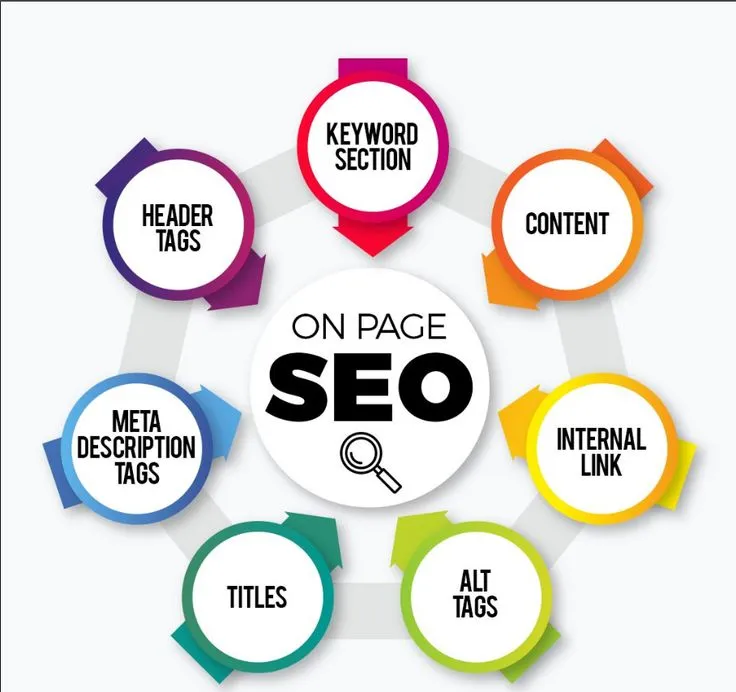
Content needs to be optimized for both voice search (Voice Search) and image search (Google Lens). Images must have detailed Alt-text and videos must have transcripts so AI can "read" and "understand" multimedia content.
2.7. Meta Tags based on Persona and Search Intent
Title tags and descriptions must be personalized to each target group (Persona) and accurately address the user's search intent (Search Intent), instead of just stuffing keywords.
3. Top 20 SEO Standard Website Optimization Testing Tools 2026
The team of experts at Tan Phat Digital has performed a detailed evaluation of each tool based on in-depth criteria:
1. Google Search Console (GSC)
Introduction: Free platform from Google itself, is a direct bridge between websites and search engines.
Strengths: Provides official data on indexes, Core Web Vitals and security warnings. Allows tracking display performance in AI Overviews.
Limitations: Doesn't provide competitor data and sketchy backlink data.
Features to analyze: Index Coverage, mobile experience errors, and actual click-through data.
2. Semrush
Introduction: The world's leading multi-channel marketing management ecosystem with more than 25 billion keywords.
Strengths: Semrush Copilot AI engine suggests real-time actions. Strong in gap analysis (Gap Analysis) and local SEO management.
Limitations: High cost, complex interface can cause overload for beginners.
Features to analyze: Authority Score, Keyword Magic Tool and detailed Site Audit reports.
3. Ahrefs
Introduction: Famous tool with the world's largest backlink database and in-depth data analysis capabilities.
Strengths: Deep JavaScript rendering ability helps audit modern websites. Forecast ROI for link building opportunities using AI.
Limitations: No free trial, cost per data usage can add up quickly.
Features to analyze: Domain Rating (DR), Content Explorer, and link growth graph over time.
4. Screaming Frog SEO Spider
Introduction: Desktop-based crawler, the gold standard for technical SEO.
Strengths: Extremely customizable, can scan millions of URLs quickly. API integration with PageSpeed Insights and GSC.
Limitations: Uses personal computer resources, requires highly specialized skills to read and understand raw data.
Features to analyze: Redirect chains, 404 errors, duplicate meta tags and website directory tree structure.
5. SE Ranking
Introduction: Comprehensive SEO platform at a reasonable cost, suitable for small and medium businesses.
Strengths: Intuitive interface, professional White-label reports for agents. Track rankings with high accuracy every day.
Limitations: Backlink and keyword database is smaller than Semrush or Ahrefs.
Characteristics to analyze: Website health score (Site Health), ranking change history and SEO/PPC competitor analysis.
6. Alli AI
Introduction: Technical SEO automation platform that allows implementing changes directly without source code intervention (Zero-code).
Strengths: Automatically create Schema Markup and optimize internal links. Suitable for businesses that do not have a ready programming team.
Limitations: Optimizations will disappear if users stop subscribing to the service.
Characteristics to analyze: Site-wide rules and effectiveness of AI suggestions.
7. ContentKing
Introduction: Real-time SEO monitoring tool, operating 24/7 on the cloud platform.
Strengths: Immediate alerts of SEO issues via Slack/Teams. Track the change history of each website in detail.
Limitations: Lack of keyword research and deep competitor analysis features.
Characteristics to analyze: Frequency of content changes, uptime status and stability of metadata tags.
8. Sitebulb
Introduction: In-depth website audit focused on visualizing collected data.
Strengths: Visual Crawl Maps help identify architectural vulnerabilities. The system suggests prioritizing errors according to severity.
Limitations: It is software installed on the device, depending on the user's hardware configuration.
Characteristics to analyze: Internal link structure, page depth (Crawl Depth) and accessibility issues.
9. SurferSEO
Introduction: Content optimization tool based on NLP and real analysis of pages that are at the top of SERP.
Strengths: Content Score helps writers know exactly which keywords to add. Automate the creation of standard SEO article outlines.
Limitations: Does not focus on deep technical SEO factors such as servers or source code.
Characteristics to analyze: NLP keyword density, optimal article length and related questions to cover.
10. Moz Pro
Introduction: One of the oldest names in the SEO industry, famous for its community and domain authority indicators.
Strengths: Domain Authority (DA) index is widely recognized. The interface is extremely beginner-friendly.
Limitations: Link index update speed is slower than Ahrefs.
Characteristics to analyze: Spam Score, Page Authority (PA) and keyword difficulty (Keyword Difficulty).
11. Majestic
Introduction: Expert in the field of link analysis with huge historical index.
Strengths: Proprietary Trust Flow (reliability) and Citation Flow (quantity) indicators. The Link Context feature shows the actual location of the link on the page.
Limitations: Outdated interface, limited features in other areas such as on-page or technical.
Characteristics to analyze: Topical Trust Flow, link density and Anchor Text distribution.
12. WebSite Auditor (SEO PowerSuite)
Introduction: Computer software specializing in on-page auditing and techniques, with no limit on the number of scanned pages.
Strengths: Powerful TF-IDF analysis helps optimize article semantics. One-time or annual purchase cost is very economical.
Limitations: Must update manually and need to be installed on the device, interface is a bit heavy.
Features to analyze: Calculate keyword weight, check the validity of HTML code and Schema.
13. SEOquake
Introduction: Free browser extension to quickly analyze SEO indicators.
Strengths: Quickly view metadata parameters, internal/external links while surfing the web. Completely free.
Limitations: Only provides basic data, not a substitute for in-depth technical checks.
Characteristics to analyze: Keyword density on the page, title/description tags and robots/sitemap file status.
14. Seoptimer.com
Introduction: Fast SEO report generator for small businesses and freelancers.
Strengths: Beautiful, professional PDF reports in seconds. Suggested actions are simple and easy to understand for non-experts.
Limitations: Data is not deep and lacks advanced customization capabilities for large projects.
Characteristics to analyze: Overall performance score, mobile responsiveness and website security.
15. Seorch.eu
Introduction: Free German on-page testing tool with incredible technical detail.
Strengths: Thoroughly checks semantic HTML tags and rule compliance Google. Completely free and no registration required.
Limitations: Simple interface, can only analyze individual URLs instead of the entire domain.
Features to analyze: Headings tag structure, on-page technical errors and image optimization.
16. Rank Math
Introduction: "Swiss knife" for WordPress SEO, powerful AI integration.
Strengths: The most diverse Schema Generator feature today. Integrates rank tracking and GSC right into the WordPress dashboard.
Limitations: Many features can be confusing for new users; Requires account registration to activate some modules.
Features to analyze:Structured Data, Redirects management and content SEO score.
17. Yoast SEO
Introduction: The world's most popular SEO plugin for WordPress with a philosophy of simplicity.
Strengths: Traffic light system helps optimize readability and super-fast SEO. Very stable and compatible with most themes.
Limitations: Many important features (like Redirect Manager) are only available in the paid version.
Features to analyze: Readability Score, Focus Keyphrase and basic Schema validity.
18. to build FAQ content. Create high-quality Content Briefs based on SERP data.
Limitations: Royalty costs can be high for freelancers.
Characteristics to analyze: User question mapping, content gap with competitors, and AI information summarization capabilities.
19. MarketMuse
Introduction: Premium content planning platform based on artificial intelligence to build Topical Authority.
Strengths: AI deeply analyzes related entities to build Topical Clusters. Evaluate content quality in the most objective way.
Limitations: Very expensive cost, only suitable for large corporations or professional agencies.
Characteristics to analyze: Authority score of the topic, content gap map and article production roadmap.
20. Clearscope
Introduction: Content refinement tool helps articles achieve maximum relevance and credibility.
Strengths: Semantic analysis based on real data makes content professional and easy to read. Integrates well with Google Docs and WordPress.
Limitations: Narrow focus on on-page, no technical support or backlink features.
Characteristics to analyze: Classification of search intent, coverage of specialized terminology and overall quality score.
4. Comparative analysis of SEO tool groups 2026
Instead of using dry parameter tables, Tan Phat Digital classifies tools according to strategic purposes so businesses can easily choose:
Overall and Competitor Analysis Group:
Semrush: Strong in multi-channel marketing data, PPC and AI Copilot. Cost starts at $139/month.
Ahrefs: The pinnacle of backlink analysis and in-depth keyword research. Cost from $129/month.
SE Ranking: Balance between features and price, modern interface. Cost starts at $55/month.
Audit and Engineering Team:
Screaming Frog: Most flexible for technical professionals, supports deep JS rendering. Cost ~$279/year.
Sitebulb: Visualize the best website structure, easy to explain to bosses/customers. Cost from $18/month.
Alli AI: Automate technical error deployment without Dev. Costs from $249/month.
Content Optimization and AI Team:
SurferSEO: Optimize against real-time SERP data. Cost from $79/month.
MarketMuse: Build long-term Authority strategies for large businesses. High cost (Custom).
Frase.io: Quickly create Brief and FAQ for writers. Cost from $45/month.
Free and Monitoring Team:
Google Search Console: Cleanest data from Google. Completely free.
ContentKing: Unique 24/7 real-time change monitoring. Cost from $139/month.
SEOquake: The most compact utility to check competitors on Chrome. Free.
5. Case Study: Breakthrough success from SEO thinking 2026
Tan Phat Digital has compiled lessons learned from the world's leading brands to help you apply in practice:
Case Study 1: Canva and Programmatic SEO Strategy
Canva has created thousands of pages that respond to specific keywords like "resume template" or "Instagram story template". Using consistent page structure and rich image data, they drove tens of millions of visits without having to hand-write each post.
Case Study 2: Zapier and AI Content Scaling
Zapier automates comparison pages between thousands of different apps. They do not focus on single keywords but on "entity links" between software, helping them dominate the top search for all queries about application integration.
Case Study 3: Ahrefs and Content Refresh Strategy
Instead of massively producing new content, Ahrefs spends 50% of its resources to update old articles whose traffic is decreasing. As a result, traffic skyrocketed again (+400%) because Google and AI always prioritize the "Freshness" of data.
6. Frequently Asked Questions (FAQ)
Question: Should I block AI bots (like GPTBot) from accessing my website?
Answer from Tan Phat Digital: Unless you have extremely sensitive or proprietary data, we recommend keeping the door open to reputable AI bots. If blocked, your brand will not be cited by AI in the answers, leading to the loss of a large number of potential customers in the future.
Question: Why is the SEO score on the tool very high but the website still has no traffic?
Answer: The score from the tool is just a technical index. Actual traffic depends on whether your content meets the search intent (Search Intent) and has enough authority (E-E-A-T). Tan Phat Digital can help you further evaluate this content strategy.
Question: Can small websites compete with big guys in 2026?
Answer: Yes. AI Search tends to prioritize niche websites (Niche) with real and in-depth experiences rather than superficial general news sites. Focus on Topical Authority.
7. Strategic advice
SEO 2026 is not for those who like to take shortcuts with short-term tricks. It's a game of honesty, depth and technology. Choosing the right toolkit from the list of 20 names mentioned above will help businesses save 70% of execution time.
At Tan Phat Digital, we are always ready to support you from technical audit to building a sustainable content strategy. Remember: Your website is the face of your brand in the world of artificial intelligence.
Share