“Standard” = the content is correct Search Intent of the user.
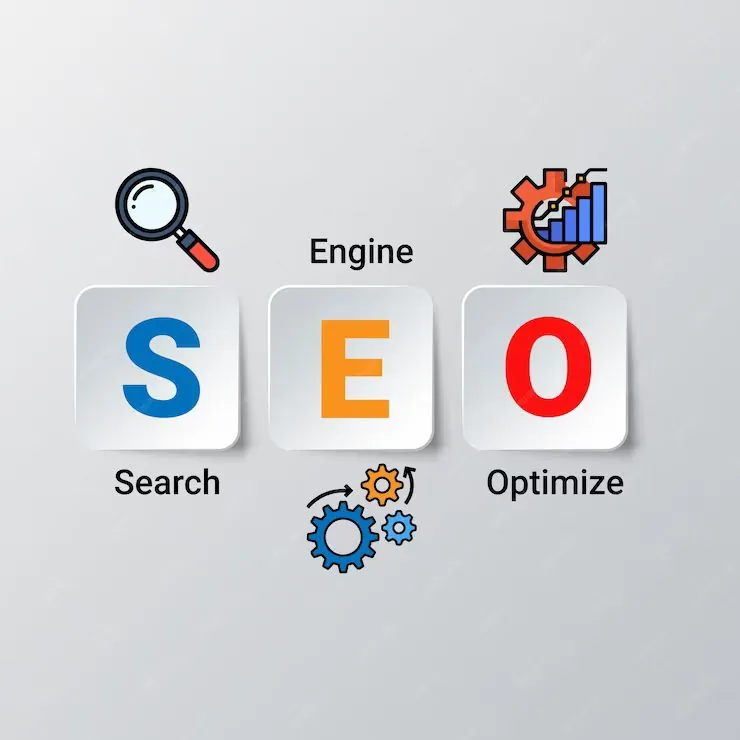
“SEO” = meets enough Technical for Google to quickly read and understand the target page.
Goal: shorten time to TOP, increase keyword rankings and conversions.
8-step process of writing SEO STANDARD articles
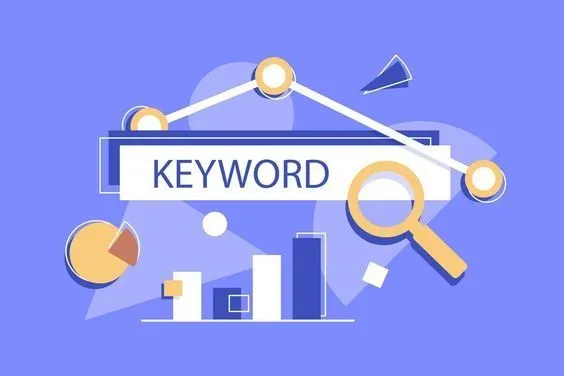
Define words key: group by search intent; 1 URL = 1 group of keywords with the same intent (main keyword + secondary + variation).
Determine Search Intent: information/navigation/transaction/comparison – review.
Choose Concept: set a “perspective” to make the article consistent & different.
Outline: logical framework, main idea → secondary ideas → additional content.
Writing an article: correct outline, clear, easy to read, with evidence - examples.
Checklist E-E-A-T: experience, expertise, authority, reliability.
Post Technically standard article: title, description, URL, heading,, schema…
Distribution & measurement: internal (internal link), social networks, advertising; track GSC/GA4.
I. Keywords: starting point of all content
Main group: “core” keyword + long-tail variant with intent.
Depth complement: synonym/modifier, by region, LSI/semantic, trend by year (2025), +brand, +“genuine/cheap/reputable credit.”
How to expand: Google Suggest & Related Searches, Keyword Planner, Ahrefs/Semrush, AnswerThePublic (question matrix), “People Also Ask”, LSI Graph, Search Console data (with pages that already have impressions).
Rule: URL only targets one intent group. Secondary keywords help expand coverage, create depth & differentiate from on-TOP competitors.
II. Search Intent: golden key
Answer 3 questions:
Who: who is looking for (age, role, pain points)? What stage of the journey are they at?
What: what do they want right now? What is required content? (put to top)
Why: real motivation? Adjectives & attention-triggering messages (used for titles, descriptions, sapo, headings).
4 common intent groups:
Informational (find information)
Navigational (navigate to a specific brand/page)
Transactional (purchase/order) schedule/registration)
Commercial Investigation (comparison/evaluation/review)
When you fail TOP, go back and check Intent–Content match first. Intent can change over time.
III. Concept: consistent flow
13 commonly used concepts: Toplist, Warning/explanation, Review, Ranking, Comparison, Guide/How-to, Q&A/Interview, Trends, Sharing/Experience, Case study/Lessons, Summary, Objective (excerpt from source), Flexible Mix.
Choose 1 main concept + 1–2 secondary concepts → different & easy content read.
IV. Outline: logical framework
Idea sources:
Read the TOP 1–3 first results pages (minimum page 1, maximum page 3); Note A/B/C they handle intent well.
Google Suggest/Related; AnswerThePublic; Keyword Planner; Ahrefs “Also rank for”.
Google/YouTube/TikTok images to exploit more angle + content gap.
Specialized documents, .gov/.org/.edu sources, official newspapers; ask experts/customers.
Analyze the English SERP to broaden your perspective.
Checklist outline:
Heading: contains main keyword, 60–70 characters, states benefits/adjectives/numbers.
Heading: Single H1; H2/H3 clarifies ideas; minimum 3 H2; put the important part first.
Content: has reference sources, different layout from competitors; each H2 has a short conclusion.
V. Article writing: clear, in-depth, easy to "scan"
Basic: Unique ≥95%, no spelling errors; short sentences (≤20–25 words), short paragraphs (≤3 lines).
Introduction: ≤4 lines; summary of benefits; main keyword appears in first 150 characters.
Body: developed according to outline; Insert external link to reputable source; Heading is concise, not too long.
Conclusion: ≤4 lines; summary & CTA; main keyword appears in last 150 characters.
Image: correct context, with caption & source; each H2 ≥1 image; optimize alt to contain keyword variations when appropriate.
VI. E-E-A-T: experience – expertise – authority – trust
Show author and/or expert advisor, profile link.
Real data, case studies, photos, internal processes; Cite sources clearly.
Do not over-claim; do not "trick" redirect to the sales page.
Add Schema: Article/FAQ/HowTo/Review/Organization (JSON-LD).
VII. Post: Technical SEO must be standard
Title/Description: contains main keyword, matches intent, has CTA.
URL: short, unsigned, contains main keyword.
Heading: H1 only; Logical H2/H3.
Alt image: brief, natural description; image compression (WebP/AVIF).
Internal link: from pillar page & related page (semantic anchor).
External link: trustworthy source; use
nofollow/ugc/sponsoredwhen needed.Schema: Article + Breadcrumb + FAQ (if appropriate).
Keyword density: natural, avoid >3%.
Social meta: Open Graph/Twitter Card.
Submit URL in Search Console after publication.
VIII. Content promotion
Attach “Featured articles” on the home page/category; internal link from article with traffic.
Social sharing (Facebook, LinkedIn, TikTok short), newsletter.
Run bait Ads (Google/Facebook) to activate CTR & early interaction.
Outreach: useful snippets to ask for sources/backlinks from blogs/industries.
IX. Measure & optimize
GSC: impressions, CTR, average position by query; page with “Potential CTR”.
GA4: interaction time, scroll depth, outbound/CTA click, conversion per page.
Heatmap/Session replay: attention drop, abandoned paragraph.
TOP Tracking: TOP group 1–3/4–10/11–30; Add FAQ, examples, illustrations for uncovered queries.
Improvement frequency: update every 30–60 days for pillar articles, optimize Title/Meta according to CTR.
X. Create "unique" & keep readers
Write from real experience: cases, original photos, checklist of operations, common errors.
Combining 5 elements: True - Emotion - Entertainment - Storytelling - Educate.
Responsible tone: "write something you want to read again", useful in the long term (evergreen).
Quick Checklist template (copy attached to Notion/Jira)
Group keywords with the same intent; choose main keyword
Choose concept; write a complete outline
Write the article according to the outline; clear opening – body – conclusion
Add data/cases/sources; photo + alt + caption
Title/Meta/URL/Heading/Schema/OG
Internal ↔ External links; nofollow matches
Submit GSC; add to sitemap (if static)
Social sharing; featured; run light Ads
Monitor GSC/GA4/Heatmap; Optimize CTR/intent
Regular update schedule (30–60 days)
Suggestions for implementation with Tan Phat Digital
If you want to turn this checklist into a process that can be measured through GSC/GA4 (CTR, position, scroll depth, conversion), Tan Phat Digital can standardize it into a Notion/Sheets template, set up a measurement dashboard, unify Title/Meta standards, Heading, Schema and internal links for the entire site.
Share